FBI investigates threat letters with white powder sent to Maryland lawmakers
Nontoxic substance found in mail to state and federal officials ahead of the Nov. 3 election
By Giulia Marshall ·
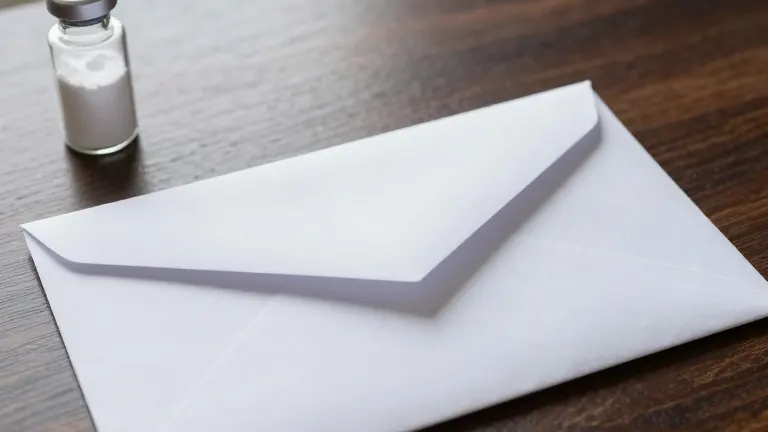
Maryland officials are facing a new layer of election security scrutiny after federal agents began probing a series of threatening letters delivered to state and congressional offices. The mailings arrived just weeks before the Nov. 3 general election, a period of heightened alert for public servants.
The FBI and the U.S. Postal Inspection Service are jointly examining the incident. The letters contain a white powder that laboratory testing has confirmed is nontoxic. Although authorities have not publicly identified the specific chemical composition, the substance was initially treated as suspicious.
The scope of the mailings in Maryland is substantial. Both U.S. senators and at least five of the state’s eight House members confirmed they received similar packages. Rep. Kweisi Mfume received a letter at his Baltimore office and has requested a briefing from postal inspectors regarding security protocols. Rep. Steny Hoyer reported a letter at his Greenbelt district office, while Rep. Johnny Olszewski’s staff isolated a package before notifying authorities.
Maryland Elections Administrator Jared DeMarinis confirmed that his office also received a suspicious letter. Law enforcement intercepted the mail following enhanced screening procedures. DeMarinis stated that the threats will not prevent officials from ensuring voters can safely participate in the upcoming election.
Rep. Andy Harris’ office reported it did not receive a letter. Several other congressional offices declined to comment or did not respond to inquiries. Federal investigators have not yet identified the sender or the motive behind the campaign.
This Maryland case is part of a nationwide pattern of suspicious mailings targeting lawmakers and election officials. The first reports emerged in Louisiana and Oklahoma before spreading to other states. The joint investigation aims to determine if the Maryland mailings are connected to the broader series.