Atlanta Opera Hair and Makeup Artists Await Ruling on Right to Unionize
A federal labor board decision on whether the Atlanta Opera's hair and makeup artists are employees or independent contractors could reach well beyond the stage and into the broader gig economy.
By Amy Swan ·
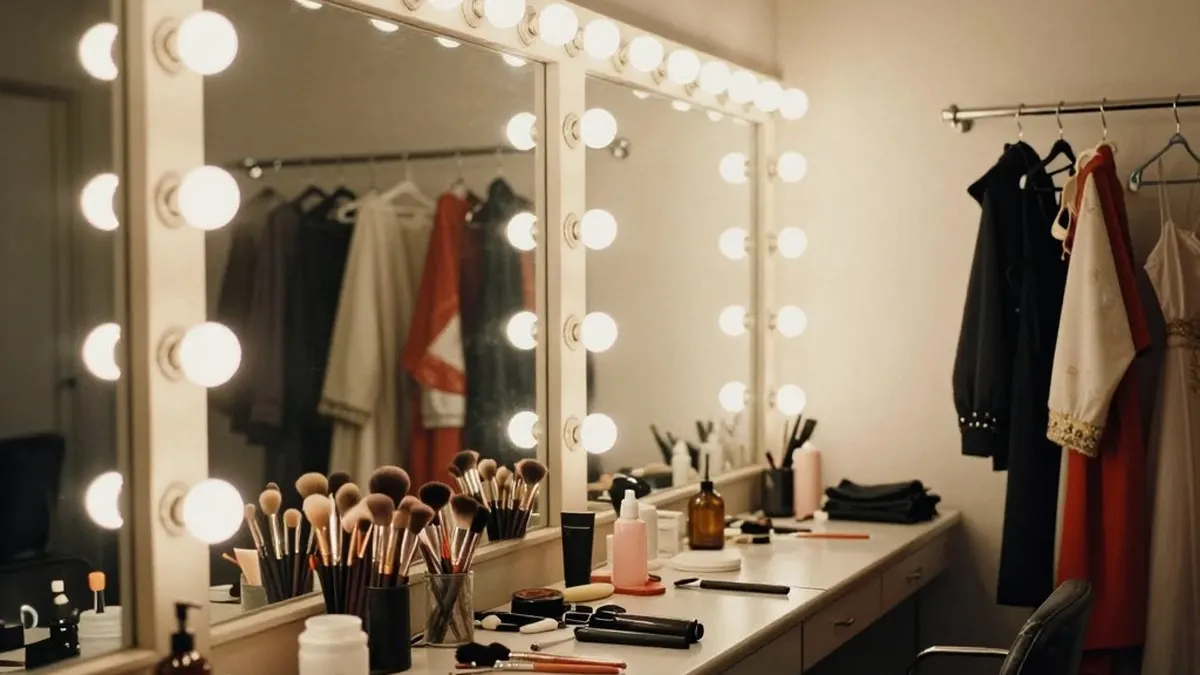
Hair and makeup artists at the Atlanta Opera are waiting on the National Labor Relations Board to decide whether they can form a union, in a dispute that could reshape how workers are classified across many industries.
The effort traces back to March 2020, when the company was midway through a run of "Porgy and Bess" and operations shut down. Performances resumed outdoors soon afterward, but hairstylist Sakeitha King said the return carried real fear. This was before vaccines and before the omicron variant, and she likened it to "playing Russian roulette," since no one knew how severe symptoms might be or what an infection would mean for their families.
That anxiety pushed King and her colleagues to discuss joining a union and negotiating a collective bargaining agreement. King said access to health care was the main reason. Makeup and hairstylist Brie Hall began asking around and learned that other backstage workers at the opera were already unionized and had contracts. Some of those crews received weekend overtime and pay that was competitive within their fields, Hall said, while hair and makeup artists did not.
The group contacted the International Alliance of Theatrical Stage Employees, known as IATSE, and in spring 2021 began the process of holding a union vote. The Atlanta Opera told the National Labor Relations Board that the artists were independent contractors, not employees, and therefore could not be covered by a collective bargaining agreement. Its argument rested on the fact that they are hired one show at a time and are free to take outside work.
The board's regional office sided with the workers, and an election was held. The opera then appealed, and the ballots have been impounded, uncounted until the full board rules. Jeff Hirsch, a University of North Carolina School of Law professor who focuses on labor and employment, said it is common for employers opposing a union election to cause delay in various ways. "A delay is death for unions," he said.
Hirsch said the question of who counts as an employee has long been debated. Traditionally, he said, the central issue is whether the business controls the manner and means of the work, and the more control it has, the more likely the worker is to be considered an employee.
In 2014, the board set criteria that made it comparatively easier to be classified as an employee. Those standards were tightened under President Trump. Hirsch and other legal experts now see the pendulum swinging back under the Biden administration. A change could affect not only other opera companies and theaters that rely on contract labor but also the wider gig economy.
The Atlanta Opera declined an interview, citing the pending matter. For King and Hall, the larger debate does not change their situation: neither has been hired for any shows since the dispute began. Hall also pointed to the company's stated commitment to diversity and equity, noting that the hair and makeup crew is mostly Black. Working alongside people who have union contracts and are regarded as workers while they are not, she said, "feels unfair and it feels prejudiced."
A resolution could still take months.
Source: LAist