Mercedes-Benz tests new $5,000 holographic display to replace dash screens
The system uses a laminated film with microscopic mirrors to project images only to the passenger, addressing the rising cost of dashboard hardware.
By Samir Patterson ·
Automakers face a rising cost center as they install more digital displays to justify luxury vehicle prices. Mercedes-Benz is testing a new hardware solution that replaces standard passenger screens with a holographic projection system.
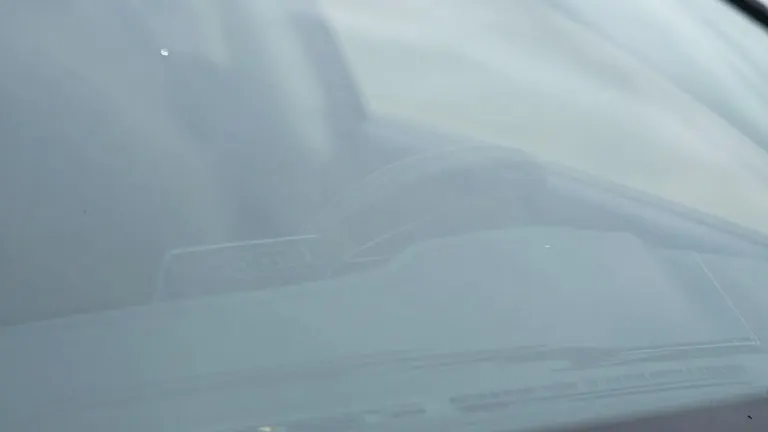
The new display unit costs approximately $5,000. It projects content onto a transparent film laminated inside the windshield glass. This film contains holographic optical elements that act as microscopic mirrors.
The system uses a projector to send light to the film. The mirrors reflect that light into the passenger's view while hiding the image from the driver. The display remains visible in direct sunlight, a common failure point for standard heads-up displays.
Lena Hees, a development engineer at Mercedes, described the optical elements as super-small mirrors. The design solves a specific problem with current luxury vehicles. Today, passenger touchscreens rely on driver-monitoring cameras or screen polarization to prevent driver distraction.
Mercedes is developing this technology as screens on dashboards reach physical size limits. The company seeks a new differentiator for its top-tier models. The holographic display offers a distinct visual experience without adding bulk to the cabin interior.
The technology is currently in the development phase. It represents a shift from flat-panel screens to optical projection for secondary displays. The system aims to maintain the premium feel of the vehicle while reducing reliance on multiple glass panels.
More Business · Customer Complaints · Report a business · Got a Story?