Riyadh Air Halts Most Flights After Houthi Attacks
The new Saudi carrier evacuated its fleet from the capital and rerouted passengers to distant airports, causing two weeks of disruption.
By Giulia Marshall ·
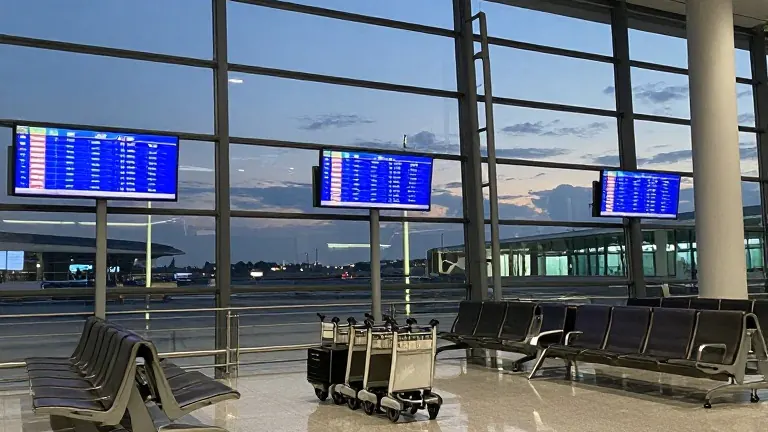
Riyadh Air, Saudi Arabia’s newest luxury carrier, suspended nearly all operations for two weeks following Houthi attacks on its home base in Riyadh. The airline, which began commercial service earlier this year, evacuated all aircraft from the capital to avoid further damage. Passengers on remaining flights were diverted to Jeddah or a smaller airport located 200 miles away. Those arriving at the distant facility faced a one-hour ground transfer to reach their final destination.
The disruption forces the carrier to rethink its launch strategy. Riyadh Air was designed to compete with similar high-end airlines from the Gulf region, targeting wealthy tourists as part of Saudi Arabia’s long-term economic diversification. The Houthi strikes have already impacted the country’s older carrier, Saudia. On October 8, a Houthi attack killed one of its pilots and destroyed an aircraft, further straining the national aviation sector.
Staff members from Riyadh Air have volunteered at hospitals to treat victims of the airport strikes. The airline is currently relocating its expensive aircraft assets away from the capital. The carrier faces a critical deadline in November when its war-risk insurance policy must be renewed. Financial pressure mounts as the company manages the costs of rerouting and ground transport for stranded passengers.
Iranian officials have also indicated that they may target civilian infrastructure, including airports, if the United States or Israel resumes strikes. This additional threat complicates the airline’s risk assessment. Despite the current chaos, Riyadh Air plans to resume semi-regular scheduling soon. The carrier intends to use an airport in Al Qassim province for its operations. This location requires a 4.5-hour bus ride to Riyadh, a distance that will affect routes to London, Islamabad, and Cairo.
The Wall Street Journal reported the details of the evacuation and the two-week halt last week. The airline’s website confirms the planned return to service via the Al Qassim route. Passengers must now choose between a longer journey or waiting for the carrier to restore its original network. The shift in logistics adds cost and time to international travel for the new Saudi brand.
More Business · Customer Complaints · Report a business · Got a Story?