Aviation Disruptions: Houthi Attacks Ground 86% of Riyadh Flights
A two-week campaign of missile and drone strikes has halted most air travel at King Khalid International Airport, forcing major carriers to suspend routes and cancel key economic events.
By Charlotte Dubois ·
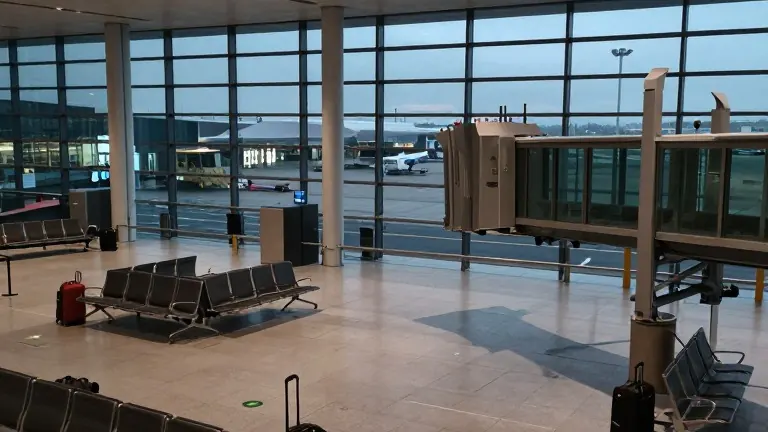
Nearly 86% of scheduled flights at King Khalid International Airport were canceled in the two weeks following the start of the Houthi campaign.
Aviation analytics firm Cirium reported on Monday that 4,071 of the 4,736 planned departures from the Saudi capital’s main hub did not take place between October 8 and October 25. The disruption marks a sharp decline in air traffic for the second-busiest airport in the kingdom. The interruptions began after Yemen’s Iran-aligned Houthis intensified attacks on Saudi infrastructure, targeting airports, ports, and oil facilities with ballistic missiles and drones.
The conflict has already resulted in substantial loss of life and operational halts. An attack on October 10 killed 13 people, the deadliest incident in the kingdom in more than a decade. Following that strike, authorities closed the airport until Sunday, when they partially reopened it. Domestic operations resumed from Terminal 1, while national carriers were granted permission to run international services from Terminal 2.
The brief respite ended immediately. On Monday, the Houthis announced a new attack on Riyadh’s airport, classifying the site as a military target. In response to the renewed threat, international airlines have suspended services to the city through November. Delta Air Lines has also delayed the launch of its Riyadh route until next year. The uncertainty has spilled over into the non-aviation sector, leading to the cancellation or postponement of several major events in Riyadh. These include the country’s primary investment conference, which organizers struggled to staff due to the difficulty of international and domestic travel.
The impact of the strikes extends across the entire Saudi aviation network. Cirium data indicates that 45% of all scheduled departures from Saudi airports were canceled during the same period, totaling more than 7,800 flights. The peak of the disruption occurred on October 12, when over 60% of nationwide scheduled flights were scrapped. Regional hubs also faced severe cancellations, with Dammam reporting a 42% drop and Abha recording a 46.7% loss of service. Najran, located near the Yemeni border, canceled 100% of its flights.
The partial reopening of King Khalid International Airport remains in effect as of Sunday, with domestic and international carriers operating under specific terminal restrictions. The next scheduled phase of the Houthi campaign has not been announced, but current airline schedules reflect the ongoing suspension of most international routes into the capital.