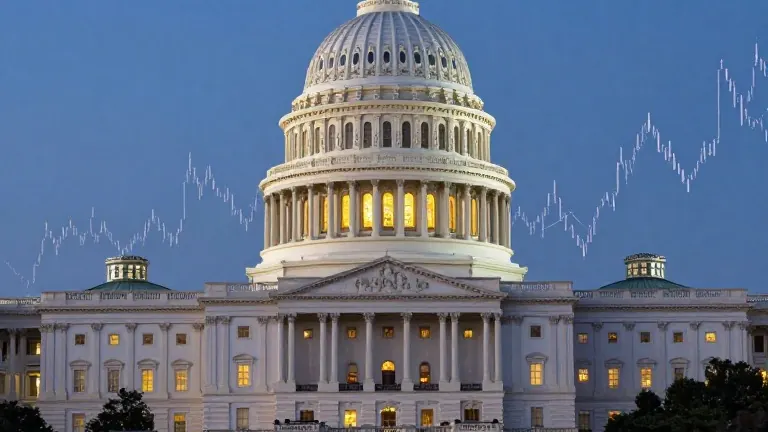
Democrats inherit $2 trillion deficit and inflation fix as new Congress convenes
With the Fed gaining independence and a split government, the new majority faces immediate pressure to lower prices and secure Social Security.
By Charlotte Dubois ·
The new Democratic majority in Congress faces an immediate mandate from voters to repair the damage caused by inflation. This challenge lands just as President Donald Trump prepares to work with a legislature controlled by his political opponents. The stakes are high for working families who feel the weight of rising prices on their daily lives.
Trump, who campaigned on the idea that a Democratic win would trigger a 1929-style depression, now claims the economy is booming. He stated last week that he would likely get along with Democrats unless they became destructive. After a strong jobs report showed 165,000 new positions and an unemployment rate of 4.1%, he told supporters via text that he would veto anything that hurt the United States.
The core issue remains the cost of living. Trump tariffs and the war with Iran that began in February pushed the consumer price index to 3.7% year over year. The president also pressured the Federal Reserve to cut interest rates, a move that could have worsened inflation. Now, with a divided government, the Fed has more room to maneuver toward its 2% target, a goal it has missed for nearly six years.
Douglas Holtz-Eakin, president of the American Action Forum, called the Fed a surprise winner of the election. He noted that the Democratic Senate can block Trump from filling Federal Reserve board vacancies. This removal of political pressure allows Federal Reserve Chair Kevin Warsh to follow his instincts and aggressively reduce inflation. Trump has promised that oil, gas, and diesel costs will drop once the war with Iran ends, though he has not specified a timeline.
Fiscal discipline remains a hurdle. The federal government continues to accumulate debt, with interest payments now exceeding one trillion dollars annually and surpassing military spending. Treasury Secretary Scott Bessent and White House budget director Russell Vought are working on a fiscal consolidation plan. This package, expected after the election, will likely require a mix of tax increases and spending cuts to address the annual deficit of approximately two trillion dollars.
Marc Goldwein, a senior vice president at the Committee for a Responsible Federal Budget, argued that controlling inflation requires both monetary and fiscal restraint. He suggested that cutting Medicare costs is the most straightforward path to reducing deficits and interest rates. Meanwhile, the Department of Defense wants an additional 500 billion dollars annually for the military, adding pressure to the budget.
The Democratic agenda also includes a bipartisan push to fix Social Security, which is projected to run out of money by the end of 2032. Senator Elizabeth Warren of Massachusetts reached out to Senator Bernie Moreno of Ohio this summer after hearing him discuss raising the payroll tax cap. Their plan is still being drafted, but experts warn that benefits could fall by nearly a quarter if no action is taken. Warren noted that Congress has been slow to act on this critical issue for millions of retirees.
Technology policy adds another layer of complexity. Harvard economist Jason Furman identified artificial intelligence as the most important economic issue, comparing the investment surge to the late 19th-century railroad boom. His analysis tool, Econvitals, found an 80.6% increase in data center construction over the last year. While this drives growth, it creates vulnerability if the sector slows. The stock market fell last week on fears that Democrats might restrict data centers, highlighting the delicate balance between regulation and economic momentum.
More Business · Customer Complaints · Report a business · Got a Story?