57 Million Early Votes Shaped 2026 Midterm Turnout and Democratic Strategy
High early participation and a focused ground game defined the election dynamics, though the outcome left both parties assessing their future leadership and strategy.
By Samir Patterson ·

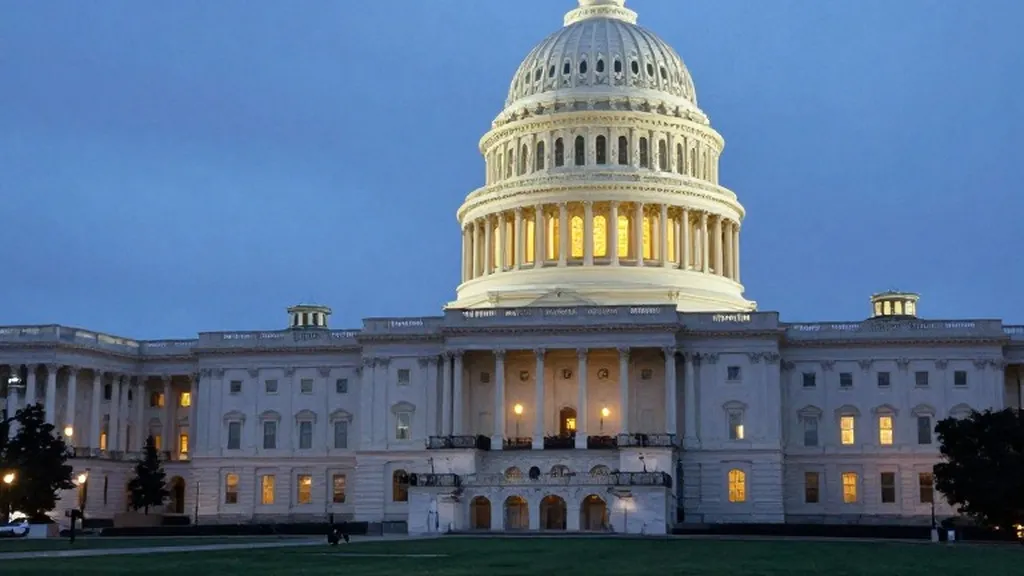
The 2026 midterm elections concluded with a significant shift in power, driven by a massive surge in early voting that both parties had anticipated but perhaps not fully quantified in their internal models. A total of 57 million early votes were cast before Election Day, a figure that underscored the intensity of the campaign and the high stakes involved in retaining or seizing control of Congress. This level of participation set the stage for a decisive outcome that would force both the Republican and Democratic parties to reevaluate their strategies for the upcoming legislative sessions.
For Democrats, the high early turnout validated their focus on key economic and social issues, including the cost of living and health care. The party’s messaging resonated with voters who were concerned about the economic impact of the ongoing Iran war and the need for stronger oversight of the administration. By prioritizing these topics, Democratic campaigns were able to mobilize their base and attract undecided voters who were looking for a change in direction after a difficult two years for the GOP.
The ground game played a crucial role in converting early enthusiasm into actual votes. Democratic organizers emphasized door-to-door canvassing and local phone banking, tactics that proved effective in competitive districts. This approach allowed them to overcome some of the structural advantages that Republicans held, such as the money edge in national advertising and the benefits of recent redistricting. Despite these obstacles, the sheer volume of early votes suggested that personal outreach and consistent messaging were key factors in the Democratic performance.
Republican leadership, meanwhile, faced a challenging start to their minority status. The party lost at least seven Senate seats and suffered significant losses in the House, a result that many attributed to the unpopular Iran conflict and its economic ripple effects. Senate Leader John Thune, who is expected to remain in his role despite the losses, called for a robust conversation about the party’s future. He acknowledged the defeat as a tough night but emphasized the need for unity and a collaborative approach moving forward.
In the House, the leadership race became a focal point for internal debate. Candidates Steve Scalise and Jim Jordan both pitched their qualifications to lead the smaller Republican conference. Scalise highlighted his fundraising prowess, noting he raised 67.9 million dollars for the midterms, while Jordan emphasized his experience in committee oversight and his readiness to challenge the new Democratic majority. The choice between the two candidates reflected a broader tension within the party between experienced legislative managers and aggressive oversight advocates.
The election results also set the stage for immediate oversight battles in the new Congress. Democrats are expected to launch numerous investigations into the Trump administration, with a particular focus on the handling of the war in Iran. Defense Secretary Pete Hegseth has already pushed back against potential impeachment efforts, framing them as policy disagreements rather than high crimes. His stance highlights the friction that will likely define the early months of the new legislative session.
Both parties are now turning their attention to the practicalities of governance. Republicans aim to confirm as many of the president’s nominees as possible before the new Congress convenes in January, while Democrats strategize on how to maintain their momentum. The two outstanding Senate races in Alaska and Mississippi remain uncalled, adding a layer of uncertainty to the final composition of the chamber. These pending results could further impact the balance of power and the dynamics of committee assignments.
The high early vote count of 57 million serves as a benchmark for future elections, indicating that voters are increasingly willing to cast their ballots before the official date. This trend has implications for campaign strategy, as parties must now invest heavily in early outreach and sustained engagement. The 2026 results suggest that the ground game is no longer just a tool for mobilizing the base but a critical component for winning in a highly competitive national environment.
As the new Congress prepares to take office, the focus will shift from campaign rhetoric to legislative action. The ability of the parties to work together on key issues, such as funding the government and energy permitting, will be tested early on. The past year saw some bipartisan progress, but the stark differences in policy priorities between the parties will likely make collaboration difficult. The coming months will reveal whether the new leadership can bridge these gaps or if the partisan divide will deepen.
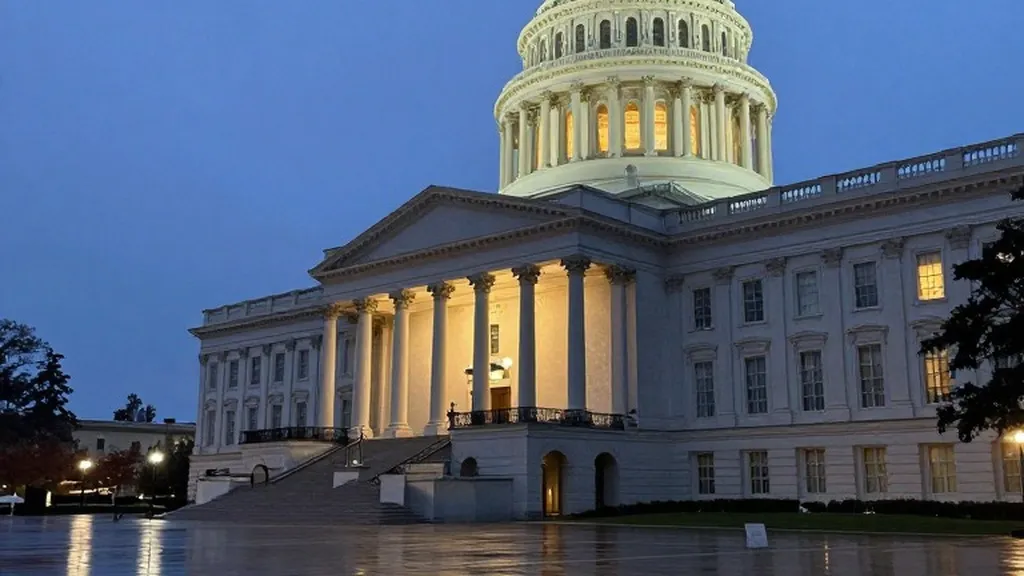
The 2026 midterms marked a significant turning point in American politics, with the high early turnout and decisive results forcing both parties to adapt. The Democratic victory in key races, driven by a strong ground game and focused messaging, has set the tone for the next legislative cycle. As Republicans regroup and Democrats prepare for oversight, the stage is set for a contentious and consequential year in Washington.