Democrats seize Congress after historic midterm wave
With majorities in both chambers secured, Democrats are ready to launch oversight into the administration's education policies and the war in Iran.
By Charlotte Dubois ·
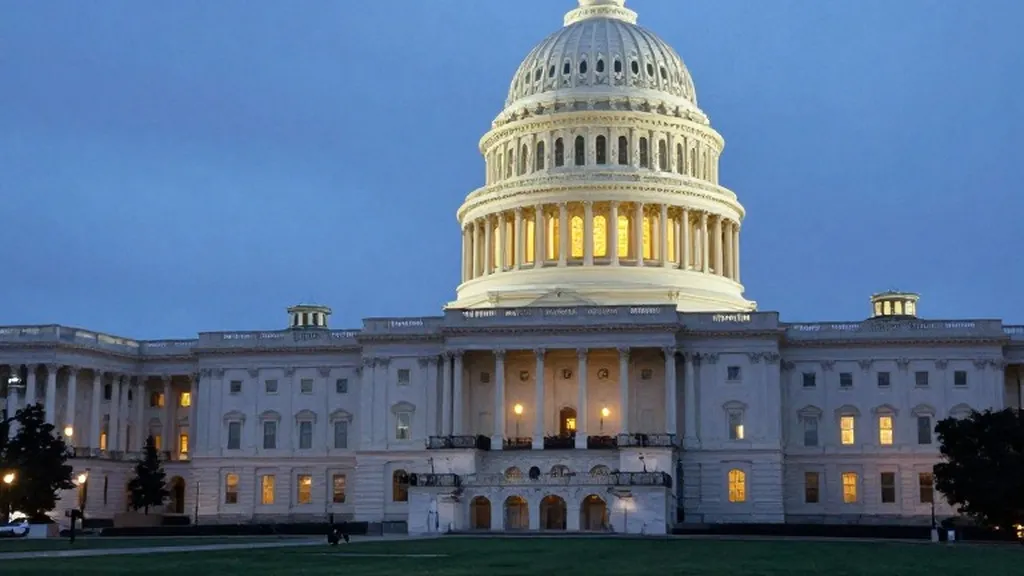
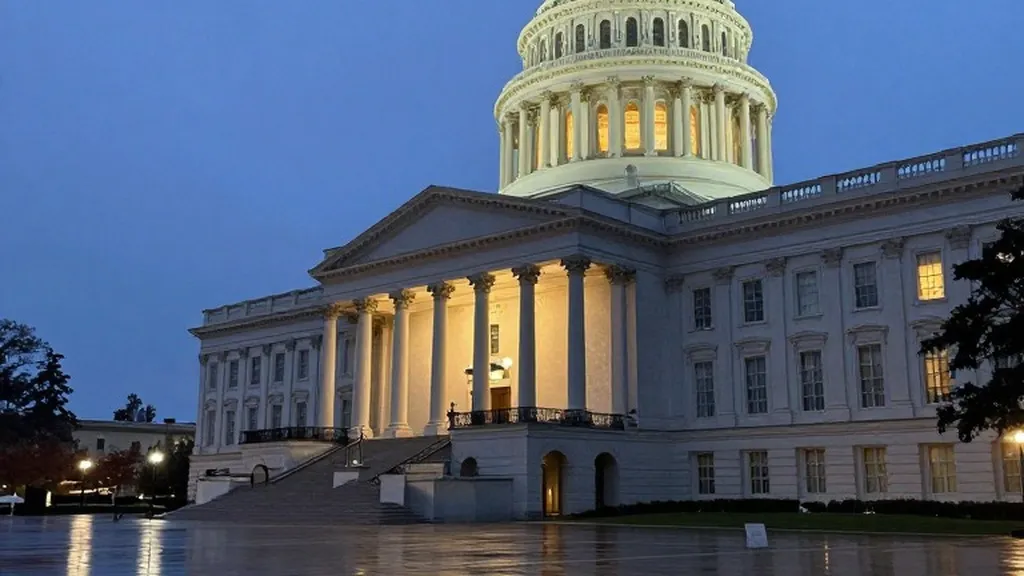
The midterm election of November 3, 2026, resulted in a significant shift in power, with Democrats winning majorities in both the U.S. House of Representatives and the U.S. Senate. According to Ballotpedia data available as of 4:00 PM ET on November 6, 2026, Democrats picked up at least 43 House seats, including 42 previously held by Republicans and one previously held by an independent. In the Senate, the party gained seven seats, all of which had been held by Republicans. These gains give Democrats a projected majority of at least 250 to 157 in the House and 54 to 44 in the Senate. This net loss of at least seven Senate seats for the president's party places the 2026 election in the top 20% of election years in terms of seat swings against the president's party, meeting the threshold for a wave election.
The control of Congress now allows Democrats to immediately begin exercising oversight powers that were limited in the previous session. Rep. Bobby Scott of Virginia, the top Democrat on the House Committee on Education and the Workforce, stated that he plans to leave no rock unturned as he takes control of the panel's investigative powers. His committee is preparing to explore the Trump administration's dismantling of the U.S. Education Department, its oversight of federal student loans, and its anti-discrimination policies. A day after the midterm elections, Scott sent a letter to 10 federal agencies reminding them to preserve records that might become part of a congressional review. This move signals an immediate focus on administrative actions that have affected schools and universities across the country.
Sen. Elizabeth Warren of Massachusetts has called on her colleagues to hold the administration accountable for dismantling the Department of Education. She emphasized the need to protect students from policy changes that have caused significant disruption. While the White House has shown no sign of backing away from its campaigns to close the department and end diversity, equity, and inclusion policies, Democrats are preparing to use their appropriations powers to push back. The new majority in the House provides a stronger foundation for these efforts, as Democrats previously struggled to secure broad language in funding bills to block the dismantling of the Education Department. With majorities in both chambers, they are preparing to try again, aiming to use the power of the purse to establish guard rails.
The political implications of the election extend to state governments as well. Democrats won a plurality of state government trifectas and state legislative chambers, along with a majority of governorships for the first time since before the 2010 elections. In California, Xavier Becerra became the state's first elected Latino governor. His win continued a streak of five consecutive Catholic governors in the state. According to The AP Voter Poll, Catholic voters, especially Latinos, helped elect Becerra. The poll indicated that about 6 in 10 Catholic voters in California supported Becerra, while about 4 in 10 voted for his Republican opponent, Steve Hilton. This result highlights the complex political landscape of religious voters in the state, where Catholicism is deeply woven into the cultural fabric.
On the federal level, the new congressional majority is poised to address the administration's military actions. Rep. Thomas Massie of Kentucky, a Republican, moved to force a vote to impeach Defense Secretary Pete Hegseth. He argued that Hegseth's actions in the war in Iran, as well as military actions in Yemen and Venezuela, amounted to high crimes and misdemeanors. Massie stated that Hegseth knowingly executed and implemented unlawful orders and remains a threat to the Constitution. House Democratic Leader Hakeem Jeffries supports the measure, and if most Democrats follow him, Massie would only need support from a few Republicans to impeach Hegseth. Sen. Chuck Schumer endorsed the impeachment push, stating that Hegseth must stand trial before the Senate.
President Donald Trump reacted to the impeachment threat by lashing out at Massie personally, calling him a loser who has a lot of hatred in his heart. In a briefing, Trump addressed the impeachment threat looming over his defense secretary. He also commented on the FBI's investigation into Nvidia CEO Jensen Huang, stating that Huang should not worry and that he will be in good shape. Trump suggested that the FBI is looking into Huang's affair with a woman alleged to be a Chinese government agent. He spoke to Huang directly to ensure he was feeling all right. Huang acknowledged the intimacy in an open letter, apologizing to his wife and the company, and stated that he supports the investigation and will cooperate fully. China denied the allegations, calling them unsubstantiated and a smear campaign against Beijing.
The economic impact of the political shifts is already visible in markets related to technology and national security. Nvidia shares dropped roughly 5% in pre-market trading early Monday following the news regarding the CEO. The company announced it was conducting an independent investigation into reports that Huang was the target of a foreign intelligence effort. The New York Times reported that U.S. intelligence determined the woman was gathering information for Beijing. This development has created new concerns about whether China has been able to access cutting-edge chips designed by Nvidia, which are powering the development of artificial intelligence. The geopolitical stakes are high, as Trump is slated to meet with Chinese leader Xi Jinping in Shenzhen, China, at the Asia-Pacific Economic Cooperation summit next week.