Democrats claim House and Senate as Trump vows fight over oversight
With control of Congress secured, new leaders promise aggressive investigations into the executive branch, while President Trump labels the efforts extortion.
By Samir Patterson ·
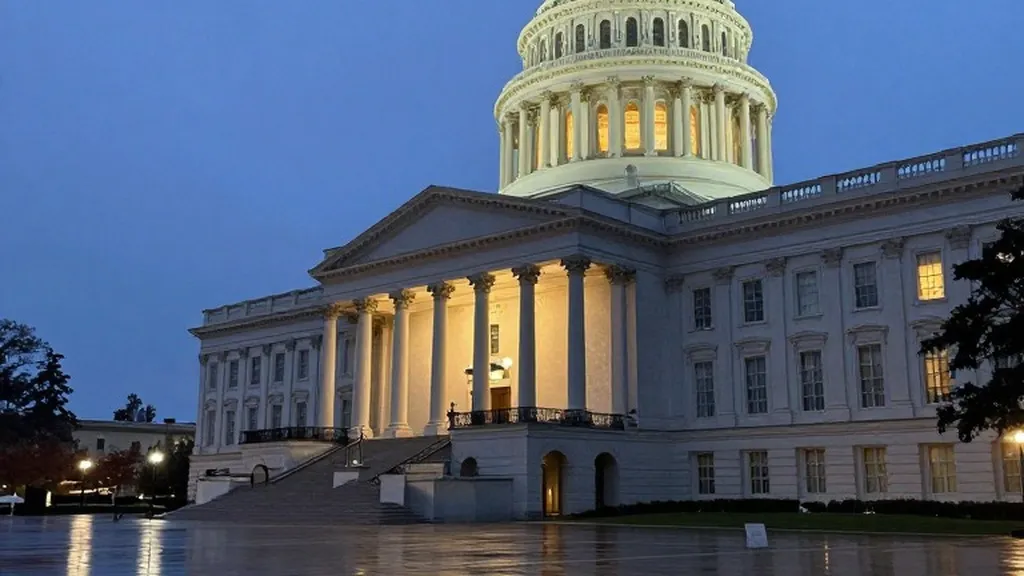
Democratic leaders have taken control of the United States Congress following the midterm elections held on November 3, 2026. The party now holds healthy majorities in both the House of Representatives and the Senate. This shift in power sets the stage for a direct confrontation with the executive branch. President Donald Trump and his Justice Department have already signaled a combative stance toward the incoming lawmakers. The administration is preparing for intense conflict as Congress prepares aggressive investigations into the executive branch next year.
President Trump set the tone for the coming battles by declaring on social media that investigative requests already made by Democrats are extortion at the highest level. He argued that the lawmakers should be held accountable for these moves. Attorney General Todd Blanche echoed this sentiment, stating that criminal investigations of Democrats are possible. Blanche noted that members of Congress are not allowed to threaten existing members of the administration or companies. He emphasized that the president is extremely worried about these threats and that he should be.
Rep. Robert Garcia, who is poised to chair the powerful House Oversight Committee in the next Congress, said Democrats are not going to be intimidated by the administration's rhetoric. He described the incoming investigations as a focus on what he calls the Trump crime family. Garcia stated that the days of the party not fighting back are over. This early rhetoric sets up a showdown that will likely define the president's remaining two years in office. It also serves as a test of Congress's ability to put a check on the White House.
Democratic House leader Hakeem Jeffries, who is on the cusp of becoming the nation's first Black House speaker, confirmed that impeachment is an option for the new Congress. He said that if people have been shortchanging, screwing over, or stealing from the American people, they need to be held accountable in a manner consistent with Congress' constitutional role. Jeffries expressed a willingness to work with the other side of the aisle whenever and wherever possible to deliver real results. However, he criticized the president's choice of longtime adviser Stephen Miller to succeed Susie Wiles as chief of staff, calling it an awful choice.
Jeffries cast doubt on the prospect of working with Miller, whom he described as an architect of the administration's mass deportation machine. He stated that there is not going to be an opportunity to work with Miller and what he represents. The speaker-elect said Democrats are committed to forcefully pushing back against the extremism that the administration may try to continue to unleash on the American people. Nationally, about six in ten voters said the administration's actions on immigration enforcement had gone too far, according to the AP Voter Poll.
Jeffries also indicated support for a pending resolution from Rep. Thomas Massie of Kentucky to impeach Defense Secretary Pete Hegseth. He stated that Democrats would be discussing the measure when they return to the Capitol this week. Jeffries said he is a hard yes on the Hegseth resolution, emphasizing that Hegseth has got to go. In response, Hegseth dismissed the impeachment push in a video as being all about the politics of personal destruction. He added that it will not work with him.
About seven in ten voters nationally say Congress is not doing enough to provide checks and balances on the presidency, according to the AP Voter Poll. The survey included more than 100,000 midterm voters. This public sentiment aligns with the new congressional leadership's plans for an investigative blitz. However, some Democrats are worried about overreach and the potential impact on their central promise to lower the cost of living. Many warn that delivering on this promise must take precedence over conflict with the president.
Sen.-elect Adam Hamilton, the first Democrat elected to the Senate from Kansas in 94 years, expressed skepticism about impeachment. He said his campaign was about trying to bring people together and that he does not want the next two years to be spent dividing the country further. Hamilton stated that he is not as interested in impeachment as setting up guardrails. He acknowledged that some investigations are necessary and that Democrats have to look at what has happened in Washington. He emphasized the need for a balanced approach to oversight.
Sen. Bernie Sanders, a Vermont independent who caucuses with Democrats, said he wants to hold Trump accountable but warned there was only so much time. He stated that Congress cannot spend all of its time investigating Trump. Sanders emphasized the need to stand up for working-class families and make a real difference in their lives. His comments reflect a broader concern within the party that the investigative agenda should not overshadow the legislative work needed to address economic issues for voters.
The new Congress will also see a wave of historic firsts in representation, which may influence the tone of the oversight efforts. Peggy Flanagan became the first Native American woman elected to the Senate. Deb Haaland was elected the first female Native governor of a U.S. state. Crystalyne Curley was elected the first woman president of the Navajo Nation. These milestones highlight a shift in political leadership that Democrats hope will translate into effective governance. The incoming members of Congress are expected to leverage their new positions to push for the accountability measures outlined by party leaders.
The administration's defiance and the Democratic leadership's resolve create a clear path forward for the next two years. The House Oversight Committee will play a central role in the coming months. With the mandate from voters to provide checks and balances, the new congressional majority is prepared to pursue its agenda. The coming showdown will test the limits of executive power and the effectiveness of legislative oversight in the current political landscape.