Trump's $5,000 Dividend: A Gift or A Trap?
Despite winning both chambers, Democrats face the task of funding a $1.2 trillion promise that experts say is far from certain.
By Charlotte Dubois ·
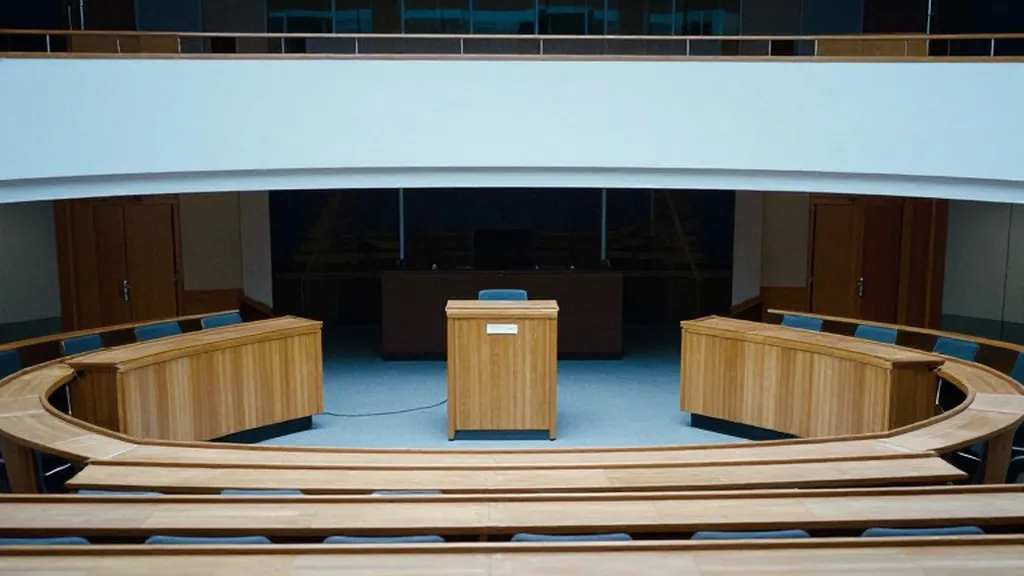
Voters cast their ballots on Tuesday, November 3, 2026, and the results are in. Democrats have secured majorities in both the U.S. House and the Senate, marking a significant shift in power in Washington. However, the victory comes with a complex legacy left behind by the outgoing administration. President Donald Trump promised a $5,000 payment to every American adult, a pledge he called the Trump Dividend, contingent on his party holding Congress. Now that the Republicans have lost control, the question remains whether this financial incentive was a strategic bid to buy votes or a genuine policy commitment that now faces a hostile Congress.
The promise was first made at the Republican Midterm Convention in Dallas last week. Trump told a cheering crowd that if the Republicans won the House and the Senate, voters would receive a $5,000 check. He described the move as a reward for the nation's tremendous economic success, comparing it to companies distributing cash to shareholders. The administration has since struggled to provide a detailed mechanism for these payments, leaving many Americans wondering how the money would actually arrive in their accounts.
Speaker Mike Johnson of Louisiana, who led the House for the Republicans, stated on Sunday that the dividend would require congressional approval. He said he would assume the president needs Congress to act to make the idea a reality. Johnson pledged to work through the proposal to find consensus, describing Trump as the big ideas president. This admission from the top of the party contrasts with Trump's earlier comments to CBS News Texas, where he suggested Congress might not need to authorize the payments, without specifying how the administration would spend over a trillion dollars without lawmakers' consent.
The cost of the Trump Dividend is substantial. The U.S. Census Bureau estimates there are about 245 million adult U.S. citizens. Giving each of them a $5,000 check would cost approximately $1.2 trillion. Fiscal experts have raised concerns about this expenditure in the current economic climate, where the country is already managing a nearly $1.8 trillion annual budget deficit. The payment could exacerbate inflation and increase the national debt, a concern that was central to voter dissatisfaction during the campaign.
Bipartisan criticism emerged quickly after the announcement. Some Republicans questioned the price tag, with Texas Congressman Chip Roy writing on social media that dependency is evil and soul-sucking in all its forms. Democrats viewed the timing with skepticism, seeing the promise as an attempt to influence voter behavior in the final days of the campaign. The move added to a list of financial pledges made by the administration, including a one-time $90 payment for some Medicare enrollees and a $500 refund for certain Affordable Care Act participants, neither of which were tied to the election outcome in the same way.
PolitiFact analyzed the feasibility of the $5,000 dividend and found that the biggest payment is far from certain. The fact-checkers noted that the White House announced no formal plan for the checks. While Trump cited tariff revenues as a potential funding source, lawmakers did not include a separate tariff dividend in the One Big Beautiful Bill Act tax and spending bill that became law in 2025. The analysis highlighted that the payout would first require Congress' approval, a hurdle that is now even higher with Democrats in control of both chambers.
The economic backdrop for this promise is mixed. While the administration argued that the strong economy makes the payments easy enough to handle, consumer sentiment remains weak. Gasoline prices have risen due to the war with Iran, and wages have struggled to keep pace with inflation. Three-quarters of voters told pollsters that the economy is not so good or poor, and about eight in ten said inflation has caused a severe or moderate financial hardship for their households. This disconnect between the administration's confidence and the voters' economic reality will likely shape the new Congress's approach to the dividend.
The legal status of the promise is also a point of debate. Election law expert Rick Hasen of UCLA noted that Trump would have a strong First Amendment defense if a state tried to prosecute him for the promise. Hasen argued that the activity is protected as a campaign promise, similar to other politicians who pledge tax cuts or social program funding. Government ethics expert Richard Painter agreed, comparing the plan to historical campaign promises that, while popular, faced significant implementation challenges. The consensus among these experts is that the promise is legally permissible, even if it is politically risky.
With Democrats now holding at least a 250-157 majority in the House and a 54-44 majority in the Senate, the path to enacting the Trump Dividend is fraught with obstacles. The new Congress is expected to focus on checks and balances, with House Oversight Committee chair-elect Robert Garcia preparing investigations into the executive branch. The priority for many Democrats is to lower the cost of living, a promise that aligns with voter concerns but may conflict with the administration's desire to fund large-scale payments. The tension between these goals will define the early days of the new legislative session.
The outcome of the election suggests that voters were more concerned with immediate economic relief than with the prospect of a future dividend. The AP Voter Poll found that the economy and affordability were top of mind for voters as they prepared to cast ballots. The fact that Republicans lost at least seven Senate seats and 42 House seats despite the promise indicates that the $5,000 check was not enough to offset other frustrations. As the new Congress takes office in January, it will face the decision of whether to honor the administration's pledge or to prioritize other fiscal priorities, a choice that will test the new majority's ability to govern effectively.