U.S. military costs for Iran war reach $47.1 billion
Central Command figures show munitions replacements account for nearly half the total expenditure as Tehran rejects a new Qatari draft deal.
By Charlotte Dubois ·
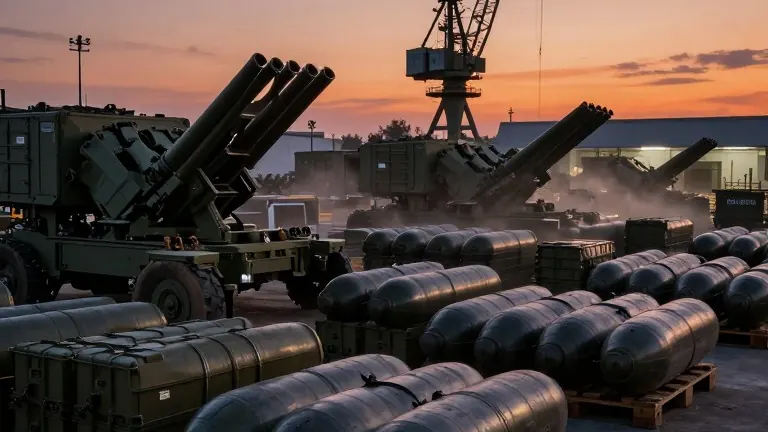
A new estimate from U.S. Central Command places the cost of the Iran war at at least $47.1 billion as of mid-October. The figure, obtained by CBS News on Tuesday, marks the highest recorded expenditure for the conflict to date. It excludes damage to U.S. military bases located in the Middle East.
The bulk of the spending, amounting to $29 billion, covers the replacement of expended munitions. A September report by the nonpartisan Congressional Budget Office estimated the war would cost between $2 billion and $3 billion per month for as long as it continues. The Central Command estimate aligns with that trajectory of ongoing monthly losses.
Negotiations to end the fighting remained stalled on Wednesday. A senior Iranian official denied a report by the Reuters news agency that Qatari mediators had presented Tehran with a new peace proposal. The official said Qatar instead came with ideas that were unacceptable to the Iranian government.
Reuters had reported earlier on Wednesday that Qatari mediators handed Iran a new draft deal on Sunday. That report cited an official briefed on the negotiations. The Iranian official speaking to the agency on Wednesday said Tehran would show no flexibility on the nuclear issue. Tehran is set to respond to the Qatari draft by the end of the week.
Concerns in Tehran before the Sunday meeting included the possibility that Israel could resume its bombardment of Iran that same week. The timing of the Qatari intervention coincided with those fears. The mediators aimed to provide a framework for ending the hostilities while the military situation remained fluid.
The war costs arrived alongside results from Israel's national election held on Tuesday. Exit polls from major television networks projected that a majority of Israelis voted against Prime Minister Benjamin Netanyahu's coalition. Despite this, his Likud party emerged as the largest party among all contenders. Neither the Netanyahu bloc nor the opposition has a clear majority.
Both candidates face the challenge of forming a government in Israel's 120-seat parliament. A majority of 61 seats is required to form a government. Netanyahu appears to have won fewer votes than his main challenger according to early exit polls. Both sides have vowed not to form a government reliant on Arab parties, citing concerns over national security during the ongoing conflicts.
Israel's two Arab parties won more seats in the Knesset than in any previous election. Arab citizens of Israel make up around 20% of the population. Some Arab voters told CBS News that the hard-right government of Netanyahu has been a difficult time for their community, prompting a historic turnout for the minority group in Tuesday's vote.