Energy Mandate: White House Demands AI Data Centers Share Power Profits With Residents
President Trump has proposed a directive requiring hyperscalers to offset local utility bills by selling excess generated electricity to nearby communities.
By Kendra Konchanuk ·
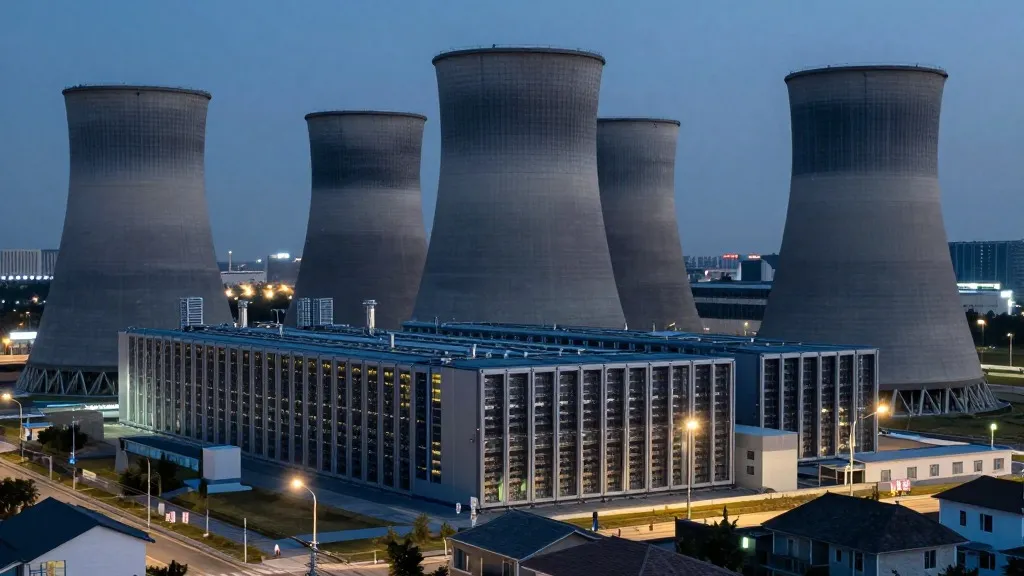
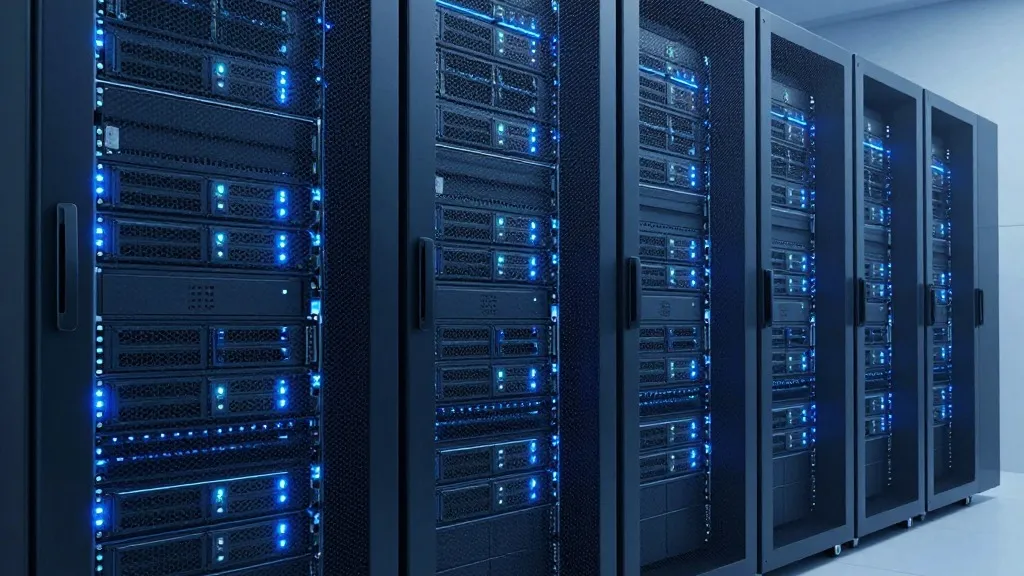
President Donald Trump has issued a directive requiring artificial intelligence data center developers to provide financial or energy dividends to the communities they impact. In a post on Truth Social on October 21, the President stated that these facilities must not only generate their own power but also distribute or sell any surplus electricity back to local grids. The primary objective of this move is to mitigate rising utility costs for residents, potentially even reversing price increases in areas where these massive facilities are being constructed.
The administration’s strategy aims to address the growing friction between local populations and the tech industry. Communities across the United States have increasingly voiced opposition to AI data centers due to significant local impacts. These include heightened electricity rates, increased noise pollution, water scarcity, air quality concerns, and deforestation. By demanding that hyperscalers share their energy resources, the White House hopes to make these facilities more acceptable to neighbors who are often left bearing the brunt of the infrastructure’s environmental and economic costs.
This mandate builds on previous orders from the Trump Administration, which required data center operators to produce their own electricity rather than relying solely on the existing grid. A recently passed act further mandates that these companies bear the costs of necessary grid upgrades, preventing those expenses from being passed on to local taxpayers. The new proposal suggests that the excess power generated by these facilities could be used to lower electricity bills for nearby homes, directly addressing one of the most common complaints from residents.
President Trump emphasized the economic incentive of this arrangement, noting in his social media post that data centers, which are often unpopular in specific regions, become significantly more acceptable when a financial agreement is reached. He urged developers to “MAKE DEALS, and get them built!!!” highlighting the administration’s desire to accelerate construction while maintaining domestic political support. The move is seen as a way to balance the nation’s urgent need to stay ahead of China in the AI race with the local political reality of community approval.
However, the practical implementation of this “dividend” remains uncertain. Critics point out that the term implies a payment from profits, a concept that may not apply to new data center builds that are still recouping substantial construction costs. Furthermore, the immediate power generation solutions for these centers often rely on gas-powered generators, which can be noisy and inefficient. This raises questions about whether the energy shared with locals will be a genuine improvement or merely a transfer of different types of local burdens.
The economic aspect is only one component of the broader debate surrounding AI infrastructure. While offsetting electricity costs may ease one specific pain point, other challenges such as massive water consumption, ecological damage, and general pollution remain significant hurdles. These factors continue to make data centers a difficult sell in many locations, regardless of potential energy discounts.
The administration’s approach suggests a preference for voluntary financial deals over strict regulatory caps, assuming that monetary compensation will smooth over other grievances. Yet, without clear requirements or enforcement mechanisms, the extent to which these dividends will actually improve local conditions is yet to be determined. As the race for AI supremacy intensifies, the balance between corporate expansion and community welfare will likely remain a contentious issue for years to come.
Source: Tom's Hardware