Democrats Seize Both Chambers as Voters Reject Iran War and High Costs
A historic shift in power delivers a Democratic majority in the House and Senate, ending two years of unified Republican control and setting the stage for immediate oversight of the Trump administration.
By Giulia Marshall ·
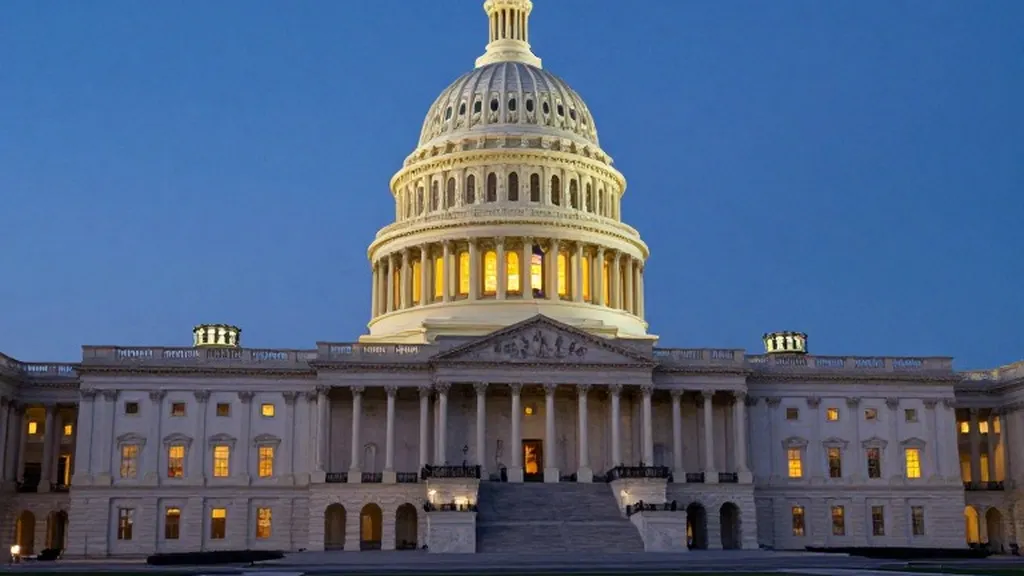
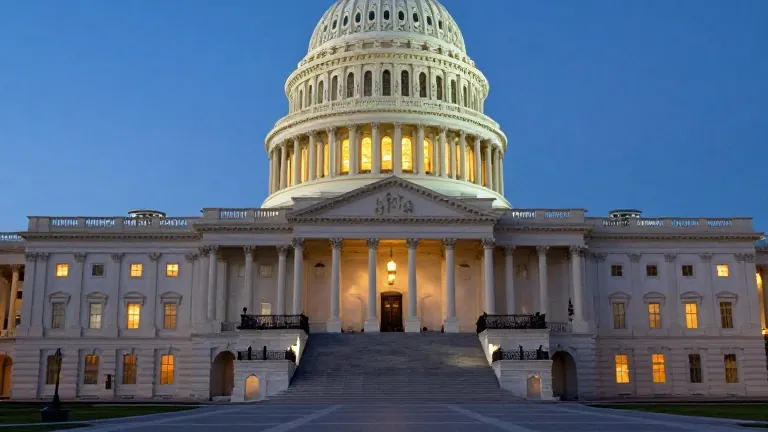
Voters across the nation cast their ballots on Tuesday, November 3, 2026, in a decisive midterm election that resulted in a sweeping Democratic victory. According to results compiled by Ballotpedia, Democrats have won control of both the U.S. House of Representatives and the U.S. Senate. The Associated Press reported that this outcome ends an era of unified Republican control and places the party in a position to challenge President Donald Trump’s administration directly. The shift in power is described by political analysts as a fundamental reshaping of the federal government, driven by widespread dissatisfaction with the current economic conditions and the ongoing war with Iran.
The final tallies show a significant margin of victory for the Democratic Party. In the House, Democrats won 233 seats compared to 138 for Republicans, a net gain of 30 seats as of 4:12 PM ET on November 4. In the Senate, Democrats captured 20 of the 35 contested seats, while Republicans won 13, with two seats remaining uncalled. This result grants Democrats a majority in the upper chamber, a feat that had seemed unlikely earlier in the year given the electoral map. Decision Desk HQ projected the Senate win for Democrats as early as 11:19 PM ET on election night, confirming a major strategic shift in Washington.
House Democratic Leader Hakeem Jeffries of New York addressed the victory, stating that his party heard the mandate for change. Jeffries, who is expected to become the first Black speaker of the House, pledged to work hard to deliver on the dramatic changes voters demanded. The new Democratic majority is poised to launch a 100-day agenda focused on lowering the costs of gas, groceries, and other essential goods. Rep. Robert Garcia of California, the top Democrat on the House Oversight Committee, issued a brief warning to the administration, telling officials to lawyer up as investigations into government corruption and policy failures begin.
The election was heavily influenced by voter frustration over the cost of living and the war in Iran. The AP Voter Poll indicated that three-quarters of voters described the economy as not so good or poor. About 8 in 10 respondents reported that inflation had caused moderate or severe financial hardship for their households. British Prime Minister Andy Burnham expressed hope that the election results would focus attention in Washington on ending the Iran war, which has contributed to soaring fuel prices. President Trump, while acknowledging the role of the war in the Republican losses, maintained that the conflict had been worth it, a stance that contrasted with the clear voter preference for a change in direction.
Democrats also made historic gains at the state level, further expanding their influence in local governance. According to the Associated Press, Democrats took control of the Texas state House for the first time since 2002. They also elected Gina Hinojosa as the first Democratic governor in Texas since 1994. These victories are part of a broader trend where Democrats secured full control of state governments in at least five states where they previously shared power. Katie Owens Hubler of the National Conference of State Legislatures noted that this represents the biggest single-election change of partisan power in state governments since 2010.
The failure of the Republican redistricting plan added to the narrative of a Democratic surge. President Trump had urged eight states to redraw congressional maps to secure a House majority, but the strategy did not yield the expected results. Former Attorney General Eric Holder, chair of the National Democratic Redistricting Committee, stated that the plan was systematically dismantled by voters. In states like Texas and Florida, Democrats retained or gained seats despite maps that were designed to favor the Republican Party. This outcome suggests that voter dissatisfaction with the president and his policies outweighed the structural advantages created by mid-decade redistricting.
Vice President JD Vance, who is not running for president in 2026, also addressed the results, blaming the war in Iran for the party's losses. He attempted to distance himself from the president's handling of the conflict, a move that highlighted internal tensions within the Republican Party. Meanwhile, President Trump took a conciliatory tone in some remarks, suggesting he could work with the new Democratic Congress. However, he also warned of potential gridlock and threatened to use his veto power to strike down the Democratic agenda, telling Politico that he did not want to spend the next two years merely vetoing everything.
The new Democratic leadership emphasized a focus on kitchen-table issues, including healthcare access, education, and housing. Heather Williams, president of the Democratic Legislative Campaign Committee, described the election as a mandate to address middle-class concerns. She noted that the party had not flipped this many seats nationwide since the 1980s. The emphasis on economic opportunities and affordable living is expected to shape the legislative priorities for the next two years, with a particular focus on reversing cuts to the Affordable Care Act and Medicaid programs.
International leaders have also reacted to the shift in U.S. Politics. Ukrainian President Volodymyr Zelenskiy stated that he hoped the Democratic gains would generate more support for Ukraine in its war with Russia. The election results are expected to have significant implications for global trade, security, and energy policies. As the new Congress prepares to convene on January 3, 2027, the focus will turn to how quickly the Democratic majority can implement its agenda and hold the administration accountable for its actions in the final years of the current term.
The results mark a clear referendum on the Trump administration's second term. With control of both chambers of Congress and significant gains in state legislatures, Democrats are positioned to exert substantial pressure on the executive branch. The next steps will involve the selection of committee chairs and the introduction of bills aimed at addressing the economic and social issues that drove voters to the polls. The political landscape has changed dramatically, setting the stage for a new era of divided government and active legislative oversight.