Democrats Capture Both Chambers of Congress After Historic Midterm Losses for Republicans
Voters delivered a decisive blow to the administration, shifting control of the House and Senate to the opposition party and altering state-level dynamics.
By Charlotte Dubois ·
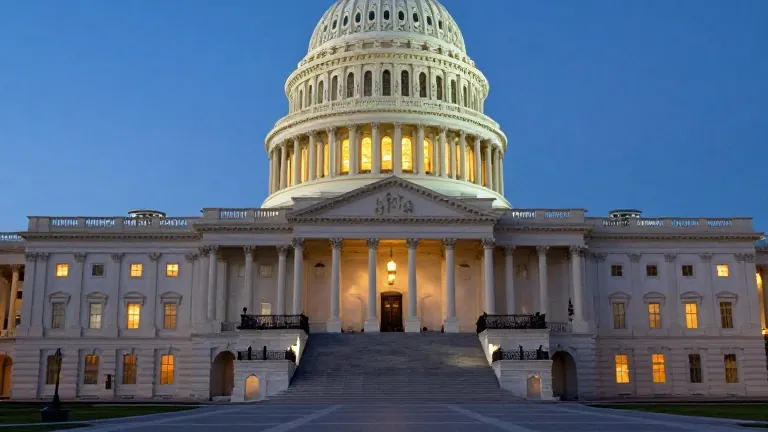
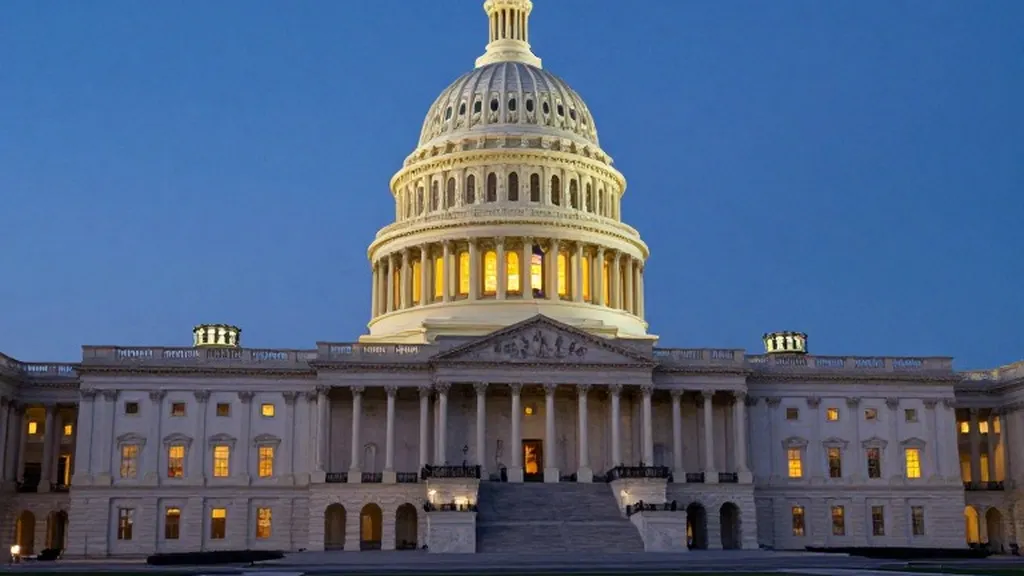
Democrats netted 27 seats in the House of Representatives on Tuesday, a margin that far exceeded the three districts required to claim the majority. This surge handed the party control of both chambers of Congress, ending two years of unified Republican power in Washington. The result creates a divided government that will immediately test the limits of presidential authority over the coming legislative session.
The final tallies show Democrats holding 228 House seats against 138 for Republicans, with 69 races remaining uncalled as of early Wednesday. In the Senate, Democrats secured 20 of the 35 seats up for election, while Republicans held 13, with two races still open. Decision Desk HQ projected Democratic control of the upper chamber late Tuesday night. These numbers mark a sharp reversal from the previous cycle and provide the minority party in the House with a powerful ally in the Senate.
The shift was evident in states historically considered Republican strongholds. In the Senate, Democrats won seats in South Carolina and Kansas, states that had not elected a Democratic senator since 1932. The Associated Press attributed the surge to voter frustration over high prices and the administration's handling of the war with Iran. Many Republican incumbents lost their seats despite heavy campaign spending, signaling a broad rejection of the party's current direction.
President Trump responded to the results by inviting reporters to the White House ballroom construction site. He spent nearly 20 minutes discussing the building's features without mentioning the sweeping defeats. The president stated that he believed he would have won if he were on the ballot, a sentiment he has echoed in recent weeks. This approach contrasts with previous midterms where presidents publicly acknowledged their party's losses as a reflection of their own leadership.
The failure of a Republican redistricting strategy played a key role in the outcome. Republicans in eight states had redrawn congressional districts to secure a slim House majority, but Democrats won most of the targeted seats in states like Texas, Florida, and Alabama. Former Attorney General Eric Holder, chair of the National Democratic Redistricting Committee, stated that voters systematically dismantled the plan. An AP Voter Poll indicated that about 6 in 10 voters disapprove of how Trump is handling the presidency, undermining the presumed safety of the newly drawn districts.
Vice President JD Vance broke from the president's defense of the Iran war by blaming the conflict for the party's losses. Vance issued a statement suggesting that losing the Senate for six years was a high price to pay for the war. This marks a public split within Republican leadership, as Trump continued to argue that the war was necessary. The AP Voter Poll found that about 6 in 10 voters said the U.S. made the wrong decision in taking military action against Iran, a view that aligned with concerns about the cost of living.
Democratic leaders are already outlining a plan to address voter concerns. House Democratic Leader Hakeem Jeffries, who is expected to become the first Black speaker of the House, said the party is ready to deliver dramatic change. Democrats promise a 100-day agenda focused on lowering the costs of gas, groceries, and other goods. They also plan to launch an oversight agenda to investigate the administration's actions, reasserting Congress as a coequal branch of government.
For Republicans, the defeat leads to a reckoning over campaign strategy. House Speaker Mike Johnson will not seek reelection as the party leader, citing a swift rise and fall for a figure who had drawn close to the president. The party faces the challenge of rebuilding its base while the president continues to defend his decisions. AP analysis of Trump's speeches since September showed he used the phrase pretending to be on the ballot in at least 40 instances, a strategy that did not prevent a major loss of support among low-propensity voters. Democrats also gained control of five more governorships than Republicans, winning 22 of the 36 gubernatorial races. This gives Democrats a majority of governorships for the first time in two decades.
More Politics · National news · Report a business · Got a Story?