San Diego Renters Spend Half Income on Housing
A survey of over 1,100 residents shows 80% of local renters are just getting by or worse, while grocery costs push parents into five-figure debt.
By Samir Patterson ·
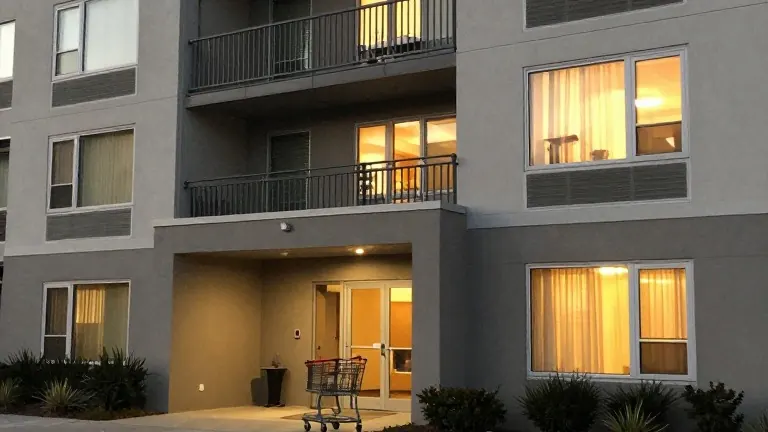
More than 80% of San Diego renters are just getting by or facing financial hardship, according to a survey completed by 1,100 people. The data reveals that housing remains the primary financial burden for local households, with groceries ranking as the second largest expense.
Emilee Mullen, a resident who lives near her office, stated that she pays half of her income in rent. She explained that this cost leaves little room to absorb rising prices for gas, groceries, and other bills. Mullen noted that if her situation is impacting someone who is fairly comfortable, the strain is even heavier for those who were barely making ends meet before recent price spikes.
The survey found that 60% of all respondents are just getting by or worse, while 28% reported severe financial strain. Homeowners reported less difficulty than renters, with approximately 45% saying they are just getting by or worse.
Adam Heath, a father of two, described the financial stress of raising a 4-year-old son and a 17-month-old daughter in the city. Heath said he carries five figures in credit card debt, most of which is associated with grocery purchases. He argued that the common advice for his generation to get a degree for a set life no longer holds true given current costs.
Rachael Orose, president and CEO of United Way of San Diego County, said that nearly half of families with children under the age of six are struggling to make ends meet. She noted that financial hardship is affecting middle-class households that may not qualify for traditional assistance programs. Orose observed a growing number of families who have never accessed benefits before but cannot survive without them.
Orose stated that employers have a stake in worker stability because a workforce worrying about financial security is a workforce struggling with productivity. She said United Way works with nonprofits, schools, and government agencies to coordinate resources for these families.
Residents can dial 2-1-1 to connect with community resources. The service is available 24 hours a day, 365 days a year, and operates in more than 200 languages.