Shortage of single-level homes strains aging American families
Census data suggests current housing stock may not meet the needs of a rapidly growing older population, forcing difficult financial choices for working adults.
By Giulia Marshall ·
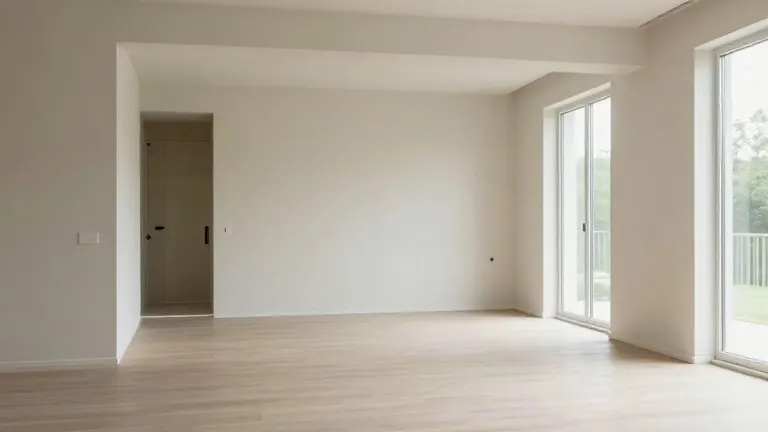
The United States is experiencing a demographic shift that is straining the housing market. According to recent data, the nation's population is aging at a rate that outpaces the construction of suitable dwellings for older residents. This mismatch between supply and demand is creating specific challenges for families seeking to care for elderly relatives.
In 2019, one in six Americans were 65 or older. Projections indicate that by 2060, that ratio will rise to one in four. A 2019 U.S. Census analysis concluded that the existing stock of aging-ready homes may be inadequate to serve this growing number of households. The Census defined these homes as dwellings featuring a bedroom and a full bathroom on the first floor, along with a step-free entryway. These structural elements are essential for mobility and safety.
Heather Simon, a mortgage lender with 35 years of experience, reports a distinct change in client needs over the last six to seven years. She observes that couples who have lived in multi-level homes for three decades are often forced to downsize because their current residences no longer support their mobility. Simon notes that many clients own homes between 4,000 and 5,000 square feet but require single-level spaces with fewer stairs, wider hallways, and zero-step showers. In Virginia, she identifies a specific lack of one-story homes that are appropriately sized for downsizing couples.
Beth Powell, owner of Home with Heart, agrees that while housing inventory exists, it does not align with the needs of the aging population. Powell argues that patio homes are frequently cited as a solution but often fail to meet accessibility standards or budget constraints. She points out that asking homeowners who have paid off their previous residences to take on new debt near the end of their lives is a difficult financial decision. Powell emphasizes that a patio home is not automatically the answer due to its cost and physical limitations.
The transition from a large family home to a smaller, accessible residence is a complex process that requires months of planning. Simon describes the move from a 5,000-square-foot house to a 2,000-square-foot home as a major emotional and logistical shift. Both experts recommend that families begin planning well before a health crisis occurs. They warn that making housing decisions after a fall or medical emergency often results in more expensive and limited options for the homeowner and their family.
Experts suggest that families should conduct a detailed cost analysis of their available options. These options include retrofitting an existing home, purchasing a new property, or building a custom home. This analysis requires time and careful consideration of health needs and lifestyle preferences. The goal is to find a fit that supports multiple generations without creating undue financial stress for the working adults involved in the care.
Until the market produces more inventory of single-level, accessible homes, retrofitting existing properties will likely remain a common strategy. Families are increasingly looking to adapt current living spaces to accommodate multiple generations. This trend reflects a practical response to the gap between demographic trends and available housing stock.
The availability of these homes directly impacts the financial stability of working families who are responsible for supporting older relatives. As the population ages, the pressure on the housing market to provide accessible options will continue to grow. The current shortage means that many families must navigate complex real estate decisions under time-sensitive conditions.
More Business · Customer Complaints · Report a business · Got a Story?