Kacy Paide: Start with the nearest pile, not the garage
Professional organizer says the key to sorting paper clutter is to tackle active items first and use specific due dates to avoid overwhelm.
By Samir Patterson ·
Households often struggle with disorganized paper, from tax documents to product manuals, creating a sense of dread for those tasked with sorting through them. Kacy Paide, a professional organizer with more than 20 years of experience, advises clients to focus on the nearest pile of paperwork rather than stashed items in garages or office closets. She argues that urgent documents are typically located closest to where people work or live.
Paide recommends separating all accessible documents into two distinct piles: active and inactive. Active documents require immediate follow-up, such as paying a bill or making a call. Inactive documents, which include receipts, birth certificates, and sentimental items like greeting cards, can be filed away or set aside for later review. This initial separation helps reduce the volume of material that requires immediate attention.
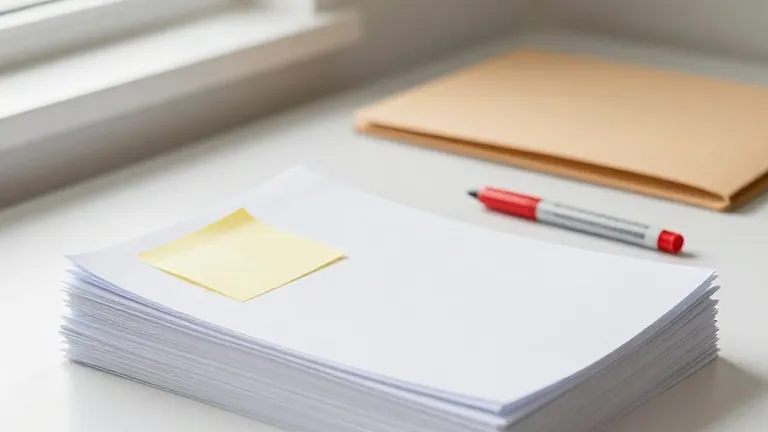
To manage active paperwork, Paide suggests marking due dates clearly and boldly. She uses permanent markers on sticky notes attached directly to the documents. Specificity is essential; labels should read "due by Nov. 15" or "start no later than 12/1" rather than vague terms like "urgent." According to Paide, vague deadlines lose their meaning quickly, while specific dates help identify exactly what needs to be done and when.
Once the immediate pile is sorted, individuals can establish a filing system for documents that require long-term storage. These items include passports, marriage certificates, tax records, and medical files. Paide notes that the best system is one that the user will actually maintain, whether that involves alphabetizing, color-coding, or simple labeling. She prefers using bright colored folders for critical documents, placing them at the front or back of a file box so they are easy to spot without rifling through other papers.
Paide also advises against using complex or permanent labeling methods. She uses simple file folders with sticky notes, allowing for easy changes if the organization strategy shifts. She stores these folders in attractive boxes on bookshelves, creating a visual system that is both functional and approachable. This method keeps the process low-stress and adaptable to changing needs over time.
Not all paperwork requires long-term storage. Paide suggests asking whether a document would be needed in any specific circumstance before keeping it. Regarding disposal, she notes that people often feel compelled to shred every item with their name and address to sleep well, but the Federal Trade Commission advises destroying only items containing sensitive information. This includes account numbers, birth dates, passwords, signatures, and Social Security numbers.
Sentimental items, such as old letters or divorce papers, can be difficult to sort alone. Paide recommends having a family member or friend assist with these items. She encourages people to voice their thoughts about the documents as they review them. In her experience, individuals reach conclusions about keeping or tossing sentimental paper very quickly. Paide emphasizes that organizing is an ongoing process, suggesting individuals dedicate as little as 25 minutes at a time to maintain order.