Zelenskyy: Oleshky truce proves ceasefire needs no buffer zones
The Ukrainian president argues the recent humanitarian pause in Kherson Oblast demonstrates that modern technology allows for rapid monitoring, countering claims that truces require lengthy military preparations.
By Charlotte Dubois ·
Ukrainian President Volodymyr Zelenskyy stated on Friday that the ceasefire in Oleshky, Kherson Oblast, demonstrates that a truce can be implemented quickly without complex military preparations.
Speaking in an interview with CNN’s Jake Tapper, Zelenskyy rejected the common argument that peace talks require time to withdraw weapons or create buffer zones. He noted that negotiating teams often cite logistical difficulties and the need for extensive preparation as reasons for delays. The Oleshky experience contradicts those claims, he said.
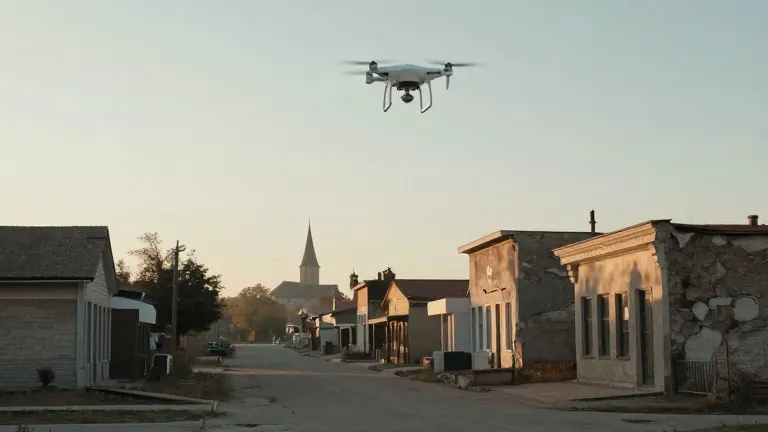
Zelenskyy pointed to drone surveillance as the key technological change that makes rapid ceasefires viable. "You can monitor by drones. You will have evidence of violations, actual videos," he said. This capability removes the need for the physical buffer zones previously demanded in peace discussions.
The president attributed the main obstacle to the lack of political will from Russian leader Vladimir Putin. "I always said that it all comes down to Putin's political will," Zelenskyy said. He expressed hope that the successful, expedited decision-making process in Oleshky could serve as a model for broader peace efforts, potentially facilitated by US mediation.
The Oleshky ceasefire recently served as the basis for a humanitarian mission led by US First Lady Melania Trump. On Nov. 2, Trump announced that nearly 800 people had been evacuated from the area under the truce. Ukrainian Human Rights Commissioner Dmytro Lubinets later confirmed that agreements with Russian officials prevented the disclosure of specific figures on how many residents returned to Ukrainian control versus those who moved to Russian-held territory.
Lubinets said he and his Russian counterpart, Yana Lantratova, agreed to request that the US first lady expand this humanitarian mission model to other settlements facing difficult conditions. The Oleshky pause remains a concrete example for Zelenskyy as he pushes for a wider agreement that relies on technology rather than traditional military postures.