Election Day 2026: A Practical Guide to Poll Hours and Ballot Tracking
With 435 House seats and 35 Senate seats on the line, voters should verify their local poll hours and ID requirements before heading to the polls.
By Giulia Marshall ·
It is Election Day, Tuesday, November 3, 2026, and the nation is heading to the polls to decide which party controls Congress for the final two years of President Donald Trump's second term. The stakes are high, with all 435 seats in the U.S. House and 35 of 100 seats in the U.S. Senate up for grabs. Democrats currently hold 214 House seats and 45 Senate seats, plus two independents who caucus with them. To gain a majority in the House, Democrats need a net gain of three districts, while Republicans can afford to lose no more than two. In the Senate, Democrats require a net gain of four seats, a hurdle that makes the 13 battleground races particularly critical for the outcome.
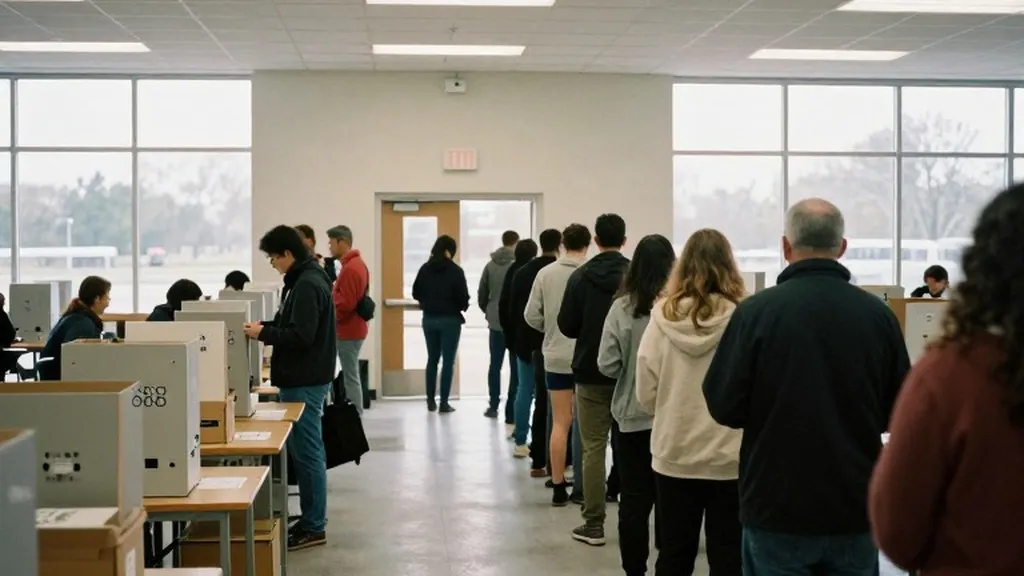
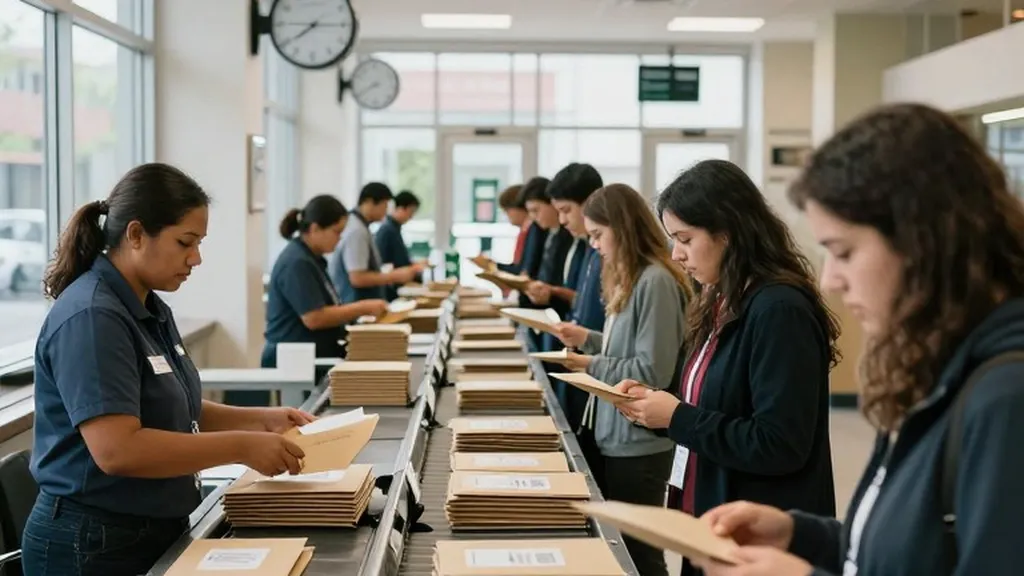
Before leaving home, voters should confirm their specific polling place and hours, as times vary significantly by state. The Associated Press and Ballotpedia provide detailed schedules, noting that while some states like New York are open from 6 a.m. To 9 p.m., others like Indiana close as early as 6 p.m. For example, California polls are open from 7 a.m. To 8 p.m., and Florida voters have a 7 a.m. To 7 p.m. Window. It is crucial to check local times, especially in states where voting hours vary by county or town, such as New Hampshire and Tennessee. The U.S. Postal Service has also added hours and staff to ensure mail ballots are processed on time, a measure that is particularly relevant in states like Oregon, Utah, and Washington where voting is largely conducted by mail.
Knowing your identification rules is equally important, as requirements differ from state to state. USA.gov advises voters to check their specific state rules before arriving at the polling place to avoid any last minute surprises. A federal judge temporarily barred the Trump administration from implementing a plan to prevent noncitizen voting, a move critics said risked disenfranchising eligible voters. Additionally, a judge ordered the administration to stop demanding that California election officials segregate ballots cast by people on lists of suspected noncitizens. These legal developments highlight the importance of understanding local procedures, as the administration has continued to make claims about voting fraud and has sued in states like Alaska and California.
The mood among voters is shaped by economic concerns and the administration's handling of the war with Iran. The election is viewed as a referendum on Trump's second term, with many citizens struggling with high prices. Only 35% of U.S. Adults approve of Trump's job performance, while about seven in 10 say the country is heading in the wrong direction. James Moore, a 57 year old librarian in Raleigh, North Carolina, said, "I'm paying more taxes. I'm paying more for my healthcare. I'm paying more for everything." This sentiment reflects the broader Democratic focus on the cost of living and health care, issues that have driven turnout in closely watched districts.
Republicans are bracing for potential losses in the House while fighting to maintain their Senate majority. RNC Chairman Joe Gruters stated, "Everything depends on turnout. If we turn out our voters, we win, and that's what we've been planning for." The party has been aided by a significant financial advantage, with Republican committees outraising and outspending their Democratic counterparts. An AP analysis of AdImpact data shows that 88.1% of Republican general election TV ad spending went to states and districts Trump won in 2024. This spending strategy was designed to protect incumbents in safe Republican areas, although Democrats argue that the money edge has not translated into a decisive advantage in every race.
In the Senate, 13 races are considered battlegrounds, including key contests in Alaska, Florida, Georgia, and Ohio. In Ohio, Democratic former Senator Sherrod Brown is challenging Republican Senator Jon Husted, a race that is being watched closely given the state's political history. In Georgia, Senator Jon Ossoff is running against Republican Representative Mike Collins, a matchup that has drawn national attention. Ballotpedia notes that 21 Democratic held districts voted for Trump in 2024, while nine Republican held districts voted for Kamala Harris, indicating a complex landscape of voter alignment. These numbers suggest that while party loyalty remains strong, there is significant room for shift in the final count.
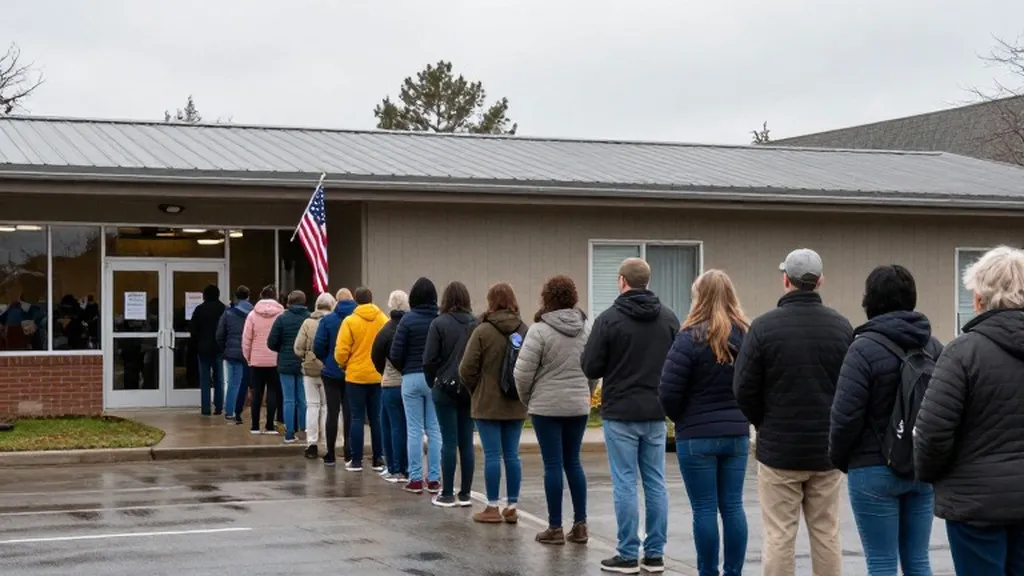
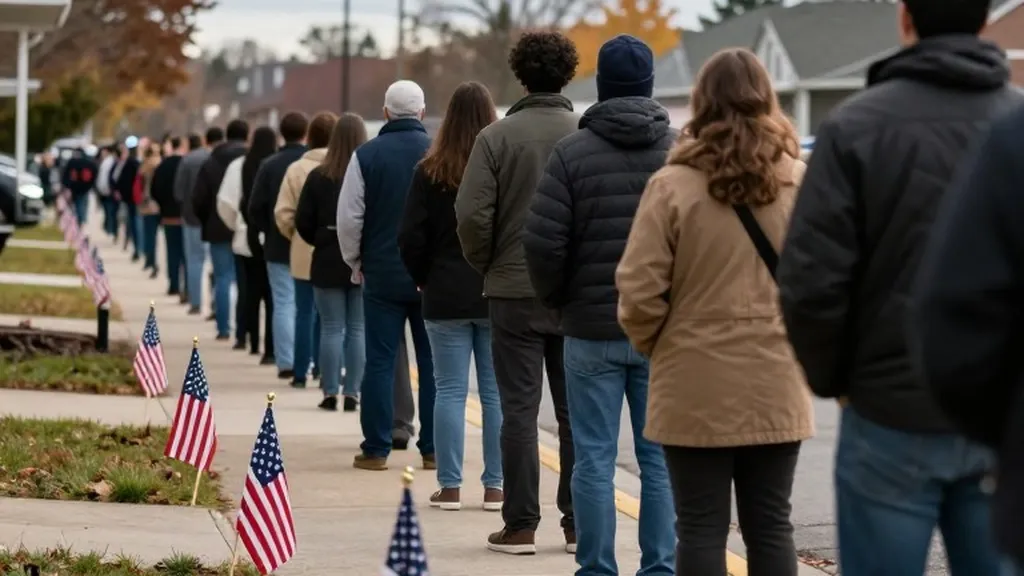
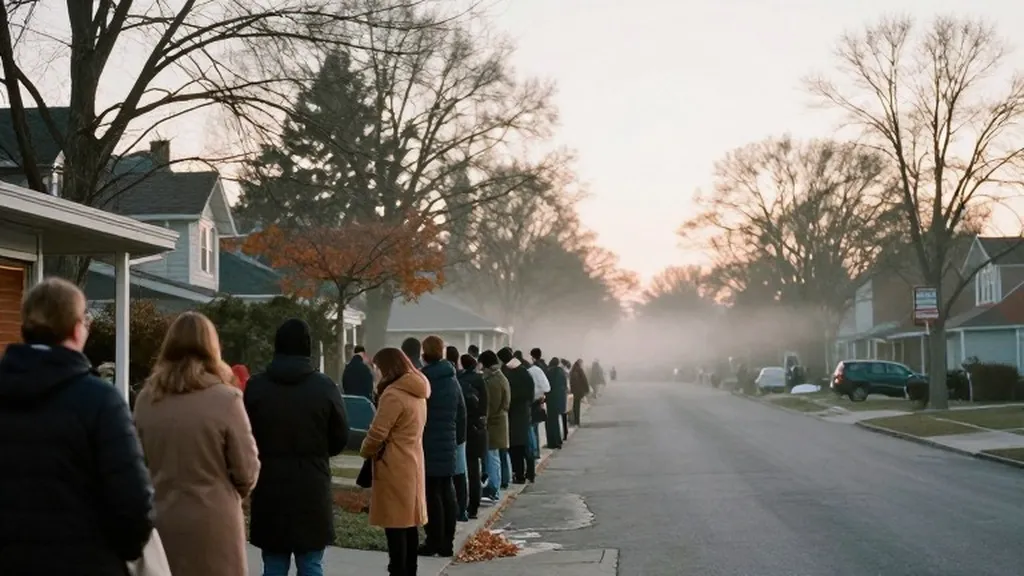
Voters in line when polls close are entitled to cast their ballots, a rule that applies across all states. This provision is a critical part of the voting process, ensuring that those who wait in line are not disenfranchised. More than 57 million people had already voted as of Monday, surpassing the early vote numbers from four years ago in many closely watched states. This early surge suggests high engagement, particularly among Democrats who are cautiously optimistic about their chances. The Postal Service's efforts to expedite mail ballot processing are also contributing to the high volume of votes being counted today.
As the day progresses, the focus remains on the practicalities of voting. Voters are encouraged to use vote.gov to find their polling place and verify any specific local requirements. The election is not just about who wins, but about the process of ensuring every eligible vote is counted. With new congressional maps in place in states like California, Florida, and Texas, the dynamics of the vote are further complicated by redistricting. Republicans tried to use these new maps to their advantage, but the AP notes that new districts may not vote as drawn, adding another layer of uncertainty to the final results.