Trump's $5,000 Dividend: A Vote-Buying Gambit With Uncertain Odds
Speaker Johnson says the payout requires congressional approval, while PolitiFact notes the funding is far from certain.
By Samir Patterson ·
President Donald Trump has promised to send $5,000 to every American adult if Republicans maintain control of the House and Senate in the November midterm elections. The pledge, made at the Republican Midterm Convention in Dallas, frames the election as a direct referendum on the president’s economic record. For Democratic voters, the offer raises immediate questions about the cost of living and whether a massive one-time payment is a strategic attempt to secure a legislative majority.
At the convention, Trump told the crowd, 'If the Republicans win, you win with us and you get $5,000.' He referred to the payment as the 'Trump Dividend.' The president argued that the nation’s 'tremendous economic success' makes the payout possible, comparing it to a company distributing cash to shareholders. However, the promise is conditional on the GOP keeping both chambers of Congress, a scenario that would give the administration a clear path to pass its agenda in the final two years of the term.
House Speaker Mike Johnson addressed the logistics of the promise on Sunday. He stated that congressional approval is needed for the checks to be issued. 'I would assume, yes, he'd need Congress to act, and that's a creative idea,' Johnson said. Despite the small Republican margin in the House, Johnson pledged to work to get the proposal through. He said, 'I commit that Congress will work through it and find consensus on that like they have to do everything else.' This admission contradicts Trump’s earlier suggestion to CBS News Texas that Congress might not need to authorize the payments.
The financial scale of the dividend is enormous. The U.S. Census Bureau estimates there are about 245 million U.S. Citizen adults. Giving each of them a $5,000 check would cost approximately $1.2 trillion. This spending would add to the country’s nearly $1.8 trillion annual budget deficit. Critics argue that such a large injection of cash during a period of persistent inflation and rising interest rates could exacerbate economic concerns. The White House has cited tariff revenues as a potential funding source, but fiscal experts remain skeptical of the plan’s viability.
PolitiFact has analyzed the proposal and found that the biggest payment is far from certain. The fact-checkers noted that while Trump cited tariff revenues, lawmakers did not include a separate tariff dividend in the One Big Beautiful Bill Act tax and spending bill that became law in 2025. The payout would first require Congress to approve a specific mechanism for the distribution. Senator Bernie Moreno, R-Ohio, said he would introduce legislation to fund the proposal, but political analysts suggest that such legislation is unlikely to attain the required 60-vote supermajority in the Senate.
Bipartisan criticism has emerged regarding the timing and nature of the promise. Texas Congressman Chip Roy, a Republican, wrote on social media that 'Dependency is evil and soul-sucking in all its forms.' Election law expert Rick Hasen, a professor at UCLA, noted that while the promise is likely legal under the First Amendment as a campaign pledge, it raises questions about whether the president is attempting to buy votes. Hasen argued that politicians make these kinds of promises all the time, such as lowering taxes or funding social programs, provided they are public and given to every voter.
Democratic figures have highlighted the contrast between the promise and the current economic reality. According to a recent AP-NORC poll, only 35% of U.S. Adults approve of Trump’s job performance, while about seven in ten say the country is heading in the wrong direction. Most voters blame the president for high prices. Democratic House Leader Hakeem Jeffries has outlined a 100-day agenda focused on the cost of living and oversight of the administration. A Democratic win in even one chamber would likely lead to increased investigations and possible impeachment proceedings, providing a check on the executive branch.
The election is being described by the Associated Press as a referendum on Trump’s second term, with voters struggling with high prices and anger over an unpopular war with Iran. Gasoline prices have risen due to the conflict, and wages are struggling to keep pace with inflation. Trump has claimed that gas prices will 'drop like a rock,' but he has indicated no imminent deal with Iran to end the conflicts and reopen the Strait of Hormuz. The dividend promise appears to be an attempt to buffer against this economic sentiment, offering a tangible benefit in exchange for political loyalty.
Republicans are bracing for a difficult fight to hold the Senate and the House. Democrats need a net gain of three districts in the House and four seats in the Senate to achieve majorities. The new congressional maps in states like Texas, Florida, and California add complexity to the race. Republican committees have outraised and outspent Democratic committees, helped by Trump-affiliated groups and billionaire Elon Musk. However, at the candidate level, Democrats have outraised their opponents. The financial edge of the Republican party is a significant factor in how the dividend promise is perceived by voters who are already worried about their own budgets.
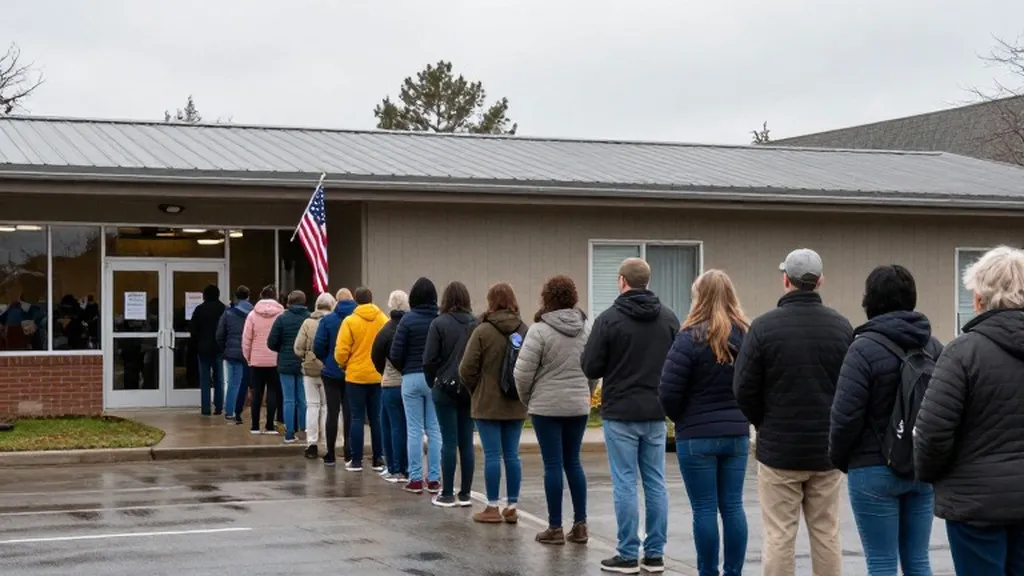
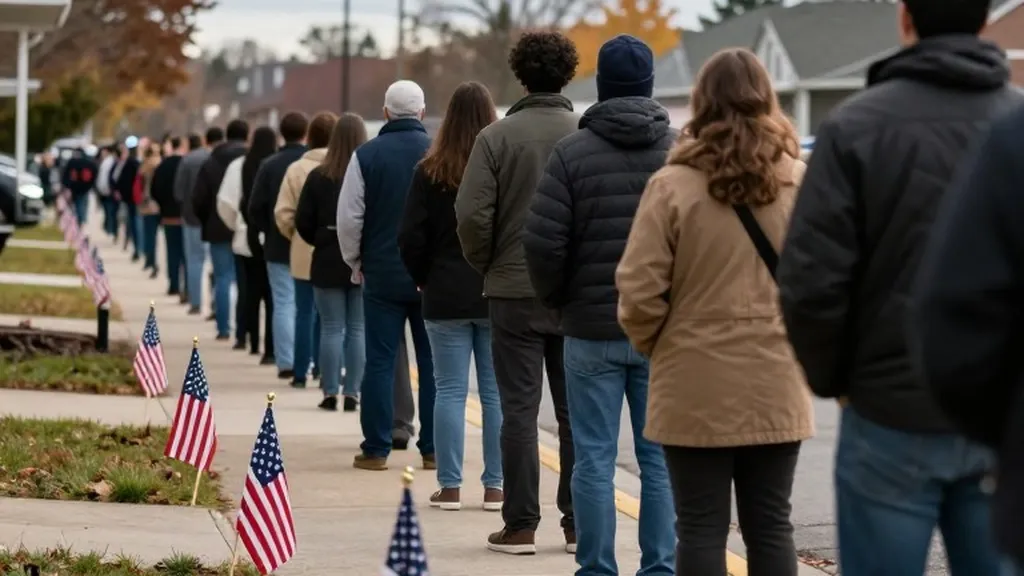
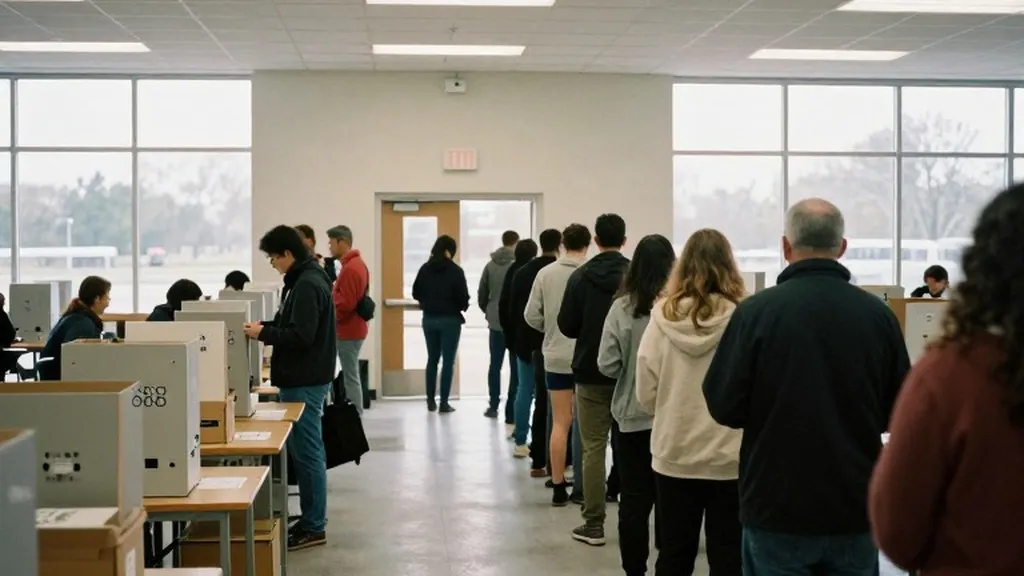
As polls open today, voters in all 50 states are deciding who will control Congress for the next two years. The $5,000 dividend is more than just a financial promise; it is a central part of the Republican narrative for the midterms. Whether the check becomes reality depends on the outcome of 435 House races and 35 Senate races. For now, the promise remains a conditional pledge, with the final say resting with the American electorate and the subsequent congressional process.