The $850 Million Question: How Money Shapes the Midterm Fight
While Democrats lead in candidate fundraising, Republican committees are deploying a historic sum on districts President Trump already won.
By Samir Patterson ·
Voters across the nation are casting ballots in what is expected to be the most expensive election in history. The Associated Press reports that the total spending is likely to surpass all previous midterms, creating a financial landscape that is deeply uneven. This disparity is not just a matter of scale but of strategy, as the two parties pursue very different approaches to deploying their resources. For many voters, the sheer volume of advertising is a daily reminder of the stakes involved in deciding who controls Congress for the remainder of President Donald Trump's second term. The money flowing into this race is shaping the narrative long before the polls close.
Republican committees have outraised and outspent their Democratic counterparts. This advantage is driven largely by groups affiliated with President Trump and significant contributions from Elon Musk. These outside entities are pouring funds into the race, helping to offset the traditional midterm disadvantage often faced by the president's party. The result is a massive war chest that allows Republican committees to buy airtime in a wide array of markets. This structural edge provides a cushion that candidates in down-ballot races must contend with as they fight for votes.
In stark contrast, the funding dynamic shifts when looking at the candidates themselves. The Associated Press notes that at the candidate level, Democrats have outraised their opponents. This suggests that while the committees are winning the war of the purse, individual Democratic candidates are successfully connecting with donors who are willing to give directly to their campaigns. This split in fundraising strategies creates a complex picture where the party-level money is working against the candidate-level money. For Democratic strategists, this means they must rely on their candidates to punch above their weight in head-to-head contests, even as the broader party structure trails in total expenditure.
The deployment of this money reveals a clear tactical focus for the Republican side. The Associated Press analysis shows that 88.1 percent of Republican general election TV ad spending has gone to states and districts where President Trump won in 2024. This concentration of resources is a deliberate attempt to lock in the president's base and prevent any unexpected upsets. By targeting areas that already voted Republican, the committees are trying to ensure that the margin of victory remains safe. This strategy stands in contrast to a more balanced approach that might focus heavily on swing districts where the outcome is less certain.
Within that 88.1 percent, a significant portion of the budget has been allocated to high-margin victories. More than $850 million has been spent in states and districts where Trump won by ten points or more. This figure underscores the scale of the investment in areas that are considered safe Republican ground. Critics argue that this heavy spending on safe seats may not yield the best return on investment for holding or gaining seats in Congress. However, the Republican strategy appears to prioritize consistency and high turnout in these areas to secure a firm grip on the majority they currently hold in the Senate and House. The goal is to make the Republican hold on these seats as unassailable as possible.
Democrats, facing a deficit in committee spending, are focusing their energy on the cost of living and health care. The Associated Press describes the election as a referendum on the administration, with voters struggling with high prices and angry over an unpopular war with Iran. Democratic candidates are using their fundraising edge to highlight these domestic issues, aiming to connect with voters who feel the pinch of inflation. This approach relies on a narrative that the current administration is out of touch with the economic realities of the average American. By keeping the focus on personal finance and healthcare costs, Democrats hope to translate their candidate-level fundraising success into actual votes on election day.
The contrast between the two parties' financial strategies is further highlighted by the role of redistricting. Republicans have attempted to use new congressional maps in states like Texas, Florida, and California to create durable advantages. However, new districts may not vote as they were drawn, adding a layer of uncertainty to the financial investment. The $850 million spent in high-margin areas is a hedge against these uncertainties, ensuring that even if redistricting does not work as planned, the underlying support in those regions remains strong. This defensive spending is a key component of the Republican effort to break the historical pattern of midterm losses for the president's party.
Despite the financial edge held by Republican committees, the mood among Democrats is described as cautiously optimistic. The Associated Press reports that Democrats believe one or two seats could tip either chamber, making every dollar count. This close race dynamic means that the candidate-level fundraising advantage could be the deciding factor in battlegrounds. As polls open across the country, the battle for the majority in Congress will be determined not just by who has the most money, but by how effectively that money is used to persuade voters. The financial war has been fought, and now the voters will decide if it made a difference.
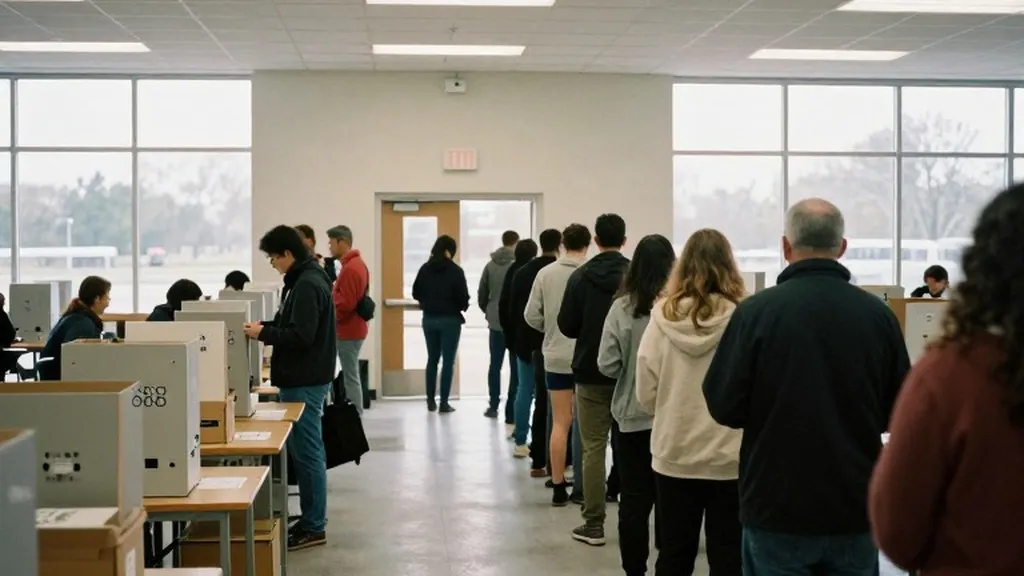
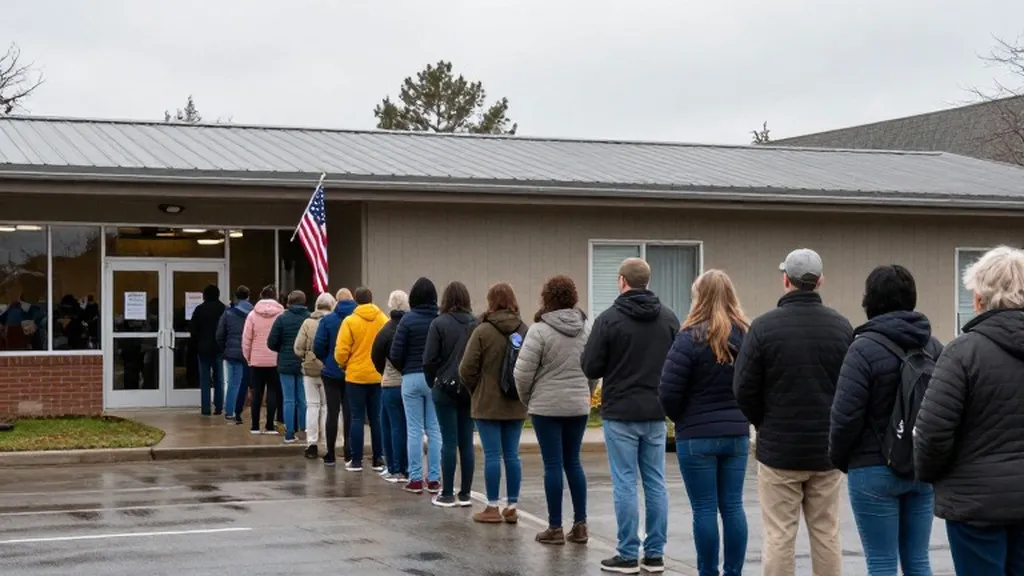
More than 57 million people had already voted as of Monday, surpassing early vote totals from four years ago in many closely watched states. This high level of early participation suggests that the financial investment is reaching a receptive audience. As lines form at polling places, the reality of the spending becomes tangible. The $850 million in safe Republican districts and the Democratic candidate-level surge will ultimately be measured in the number of seats filled in the House and Senate. The money has set the stage, but the final act belongs to the voters in this historic midterm election.