Trump's $5,000 Dividend: A Vote-Buying Gamble?
With Democrats winning control of Congress, the fate of the president's $1.2 trillion promise hangs in the balance.
By Charlotte Dubois ·

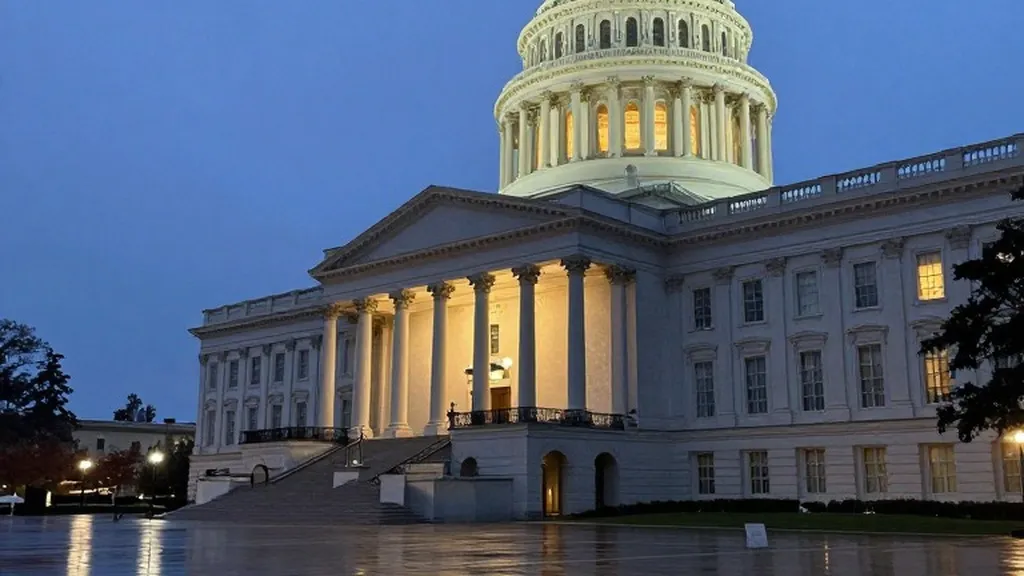
The 2026 midterm elections have concluded, and the result is a significant shift in power that directly impacts President Donald Trump's most ambitious fiscal promise. On November 3, voters rejected the Republican bid to maintain control of both chambers of Congress. According to election results, Democrats gained at least 43 House seats and seven Senate seats, securing a 54-44 majority in the Senate and a 250-157 majority in the House. This outcome invalidates the core condition of the Trump Dividend, which the president explicitly tied to the GOP retaining power in the November elections.
During the Republican Midterm Convention in Dallas, Trump pledged to send a $5,000 check to every adult citizen if his party won both the House and the Senate. He described the payment as a reward for the country's tremendous economic success. The promise was a central part of his campaign strategy, intended to energize the base and provide a tangible incentive for voting. However, with Republicans losing control of both chambers, the path to delivering these checks becomes significantly more complex, if not impossible, without bipartisan cooperation.
Speaker Mike Johnson, who lost his party's majority in the House, stated on Sunday that the proposal needs congressional approval. He pledged to work through the process, calling it a creative idea that Congress would find consensus on. However, with Democrats now holding the gavel in the House and a slim majority in the Senate, the legislative hurdle has grown steep. Trump initially suggested that Congress might not need to authorize the payments, though he did not specify how he could spend over $1 trillion without lawmakers' sign-off. He later reaffirmed that the payment was going to happen, calling it a certainty.
The financial scale of the promise is staggering. The U.S. Census Bureau estimates there are approximately 245 million adult citizens in the United States. A $5,000 payout to each of them would cost about $1.2 trillion. This sum would add to a national budget deficit that already stands at nearly $1.8 trillion annually. Fiscal experts have long warned that such a large expenditure, funded largely by projected tariff revenues, could exacerbate inflationary pressures. The Tax Foundation noted that the cost of the checks would consume almost all the revenue that new tariffs are projected to bring in over a decade.
Trump cited tariff revenues as a primary funding source, arguing that the administration is taking in record amounts of money. Vice President JD Vance echoed this, stating that some of the money would come from tariff revenue. However, the White House has not released a formal plan detailing the mechanics of the distribution. The lack of specific implementation details has fueled skepticism among both parties. The proposal was criticized by some Republicans, such as Texas Representative Chip Roy, who questioned the wisdom of creating dependency through government payments.
Democrats, who now hold the power to write the budget and approve spending bills, face a difficult choice. They can use the promise as a bargaining chip to extract concessions from the White House or attempt to block the payment to hold Trump accountable for his economic record. The AP Voter Poll indicates that about three-quarters of voters feel angry or dissatisfied with the country's current trajectory, with the economy and cost of living being top concerns. This voter sentiment suggests that while the dividend is popular in theory, the timing and funding mechanism remain critical issues for the incoming Democratic majority.
PolitiFact fact-checked the promise before the election, finding that the largest payment was far from certain. The fact-checkers noted that while the payment is constitutionally protected as a campaign promise, it faces enormous obstacles in terms of funding and legislative approval. The organization highlighted that the administration had no formal plan and that fiscal experts cast doubt on the feasibility of the checks during a period of economic challenges. The verdict was that while Trump could legally make the promise, delivering it would be complicated and expensive.
The election results also reflect a broader rejection of the administration's handling of the economy and the war in Iran. About 8 in 10 voters said inflation has caused severe or moderate financial hardship for their households. This context makes the $1.2 trillion dividend a sensitive topic for the new Democratic Congress. If they block the payment, they risk angering voters who expected the cash. If they approve it, they risk taking responsibility for the debt and inflation that could follow. The promise has now become a test of the new congressional majority's ability to manage the executive branch's agenda.
Speaker Johnson's commitment to find consensus suggests that the White House will push for a bipartisan deal. However, the small Republican margin in the Senate before the election, and now the Democratic majority, means that Democrats have the final say on any legislation. The incoming House leadership, including Representative Robert Garcia, has already signaled a combative stance, describing the president's investigative requests as extortion. This tone suggests that the negotiation over the dividend will be part of a larger struggle over the administration's spending priorities and policy goals.
Ultimately, the Trump Dividend was a political tool designed to secure a specific electoral outcome. That outcome has not been achieved. The promise now serves as a reminder of the risks of large-scale fiscal pledges made during election campaigns. As Democrats prepare to take office in January, they will weigh the political benefits of delivering on the president's word against the economic risks of adding $1.2 trillion to the national debt. The next few months will determine whether the dividend becomes a reality or a footnote in the history of the 2026 midterms.