2028 Presidential Race Begins as 2026 Midterm Results Set Stage
With primary votes due in under a year, candidates are already positioning themselves in the aftermath of a decisive Democratic victory.
By Samir Patterson ·
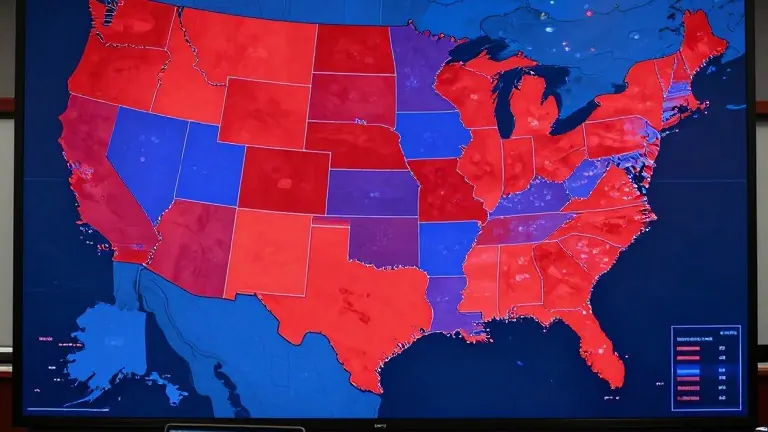
The 2028 presidential race has effectively begun, with candidates from both parties moving to secure their positions in the wake of the 2026 midterm elections. The first primary votes will be cast in less than a year, creating immediate urgency for prospective nominees. Democrats are celebrating a major electoral shift, while Republicans are grappling with substantial losses and internal divisions.
Vice President JD Vance faced the steepest challenge among Republicans. He posted on X that the party's defeat was due to the war, arguing that losing the Senate for six years was a cost that required honest assessment. Vance has historically opposed foreign intervention, and his defense of the conflict to prevent Iran from acquiring a nuclear weapon has complicated his political standing. President Donald Trump offered little support for Vance's future, telling reporters, "Maybe he won't run." Vance has indicated he will make a decision after the election.
On the Democratic side, several leaders are preparing for a wide-open contest. Senator Mark Kelly of Arizona and Governor Andy Beshear of Kentucky have held preliminary conversations with campaign staff. Former Vice President Kamala Harris told the Associated Press that she feels compelled to contribute to the party's direction, regardless of whether she runs again. She cited a responsibility to lift up specific voices and issues.
Governors who won decisive reelections are emerging as top contenders. Governor Josh Shapiro of Pennsylvania faced questions about his 2028 ambitions on national television. He responded that voters want fundamental change and real results. Governor Wes Moore of Maryland and Governor JB Pritzker of Illinois also secured strong victories. Governor Gavin Newsom of California, who is leaving office, played a key role in helping Democrats win the House majority through Proposition 50.
Progressives are assessing their leadership options following the election. Senator-elect Abdul El-Sayed of Michigan won a seat in the Midwest, a result Adam Green of the Progressive Change Campaign Committee called a turning point. Green stated that a bold economic fighter can win battleground states. Rep. Alexandria Ocasio-Cortez remains a name in the conversation, though it is unclear if she will seek the nomination. Senator Bernie Sanders, who is 85, has ruled out another bid.
Republican hopefuls see an opening to distance themselves from President Trump. Florida Governor Ron DeSantis described the GOP losses as close to an extinction-level event in many regions, while pointing to his state's success as an example of delivering results. Senator Ted Cruz of Texas, who invested heavily in the midterm effort, has been weighing another White House run. Governor Chris Christie of New Jersey, a Trump critic, is also mulling a repeat bid.
Senator Cory Booker of New Jersey, who holds more than $20 million in his federal campaign account, delivered a victory speech that signaled his intentions. He declared the election a start of a movement and a comeback. The candidates' early moves reflect a desire to define the next cycle before the primary calendar officially opens.